
What are the common types of conveyor belts? How to choose?
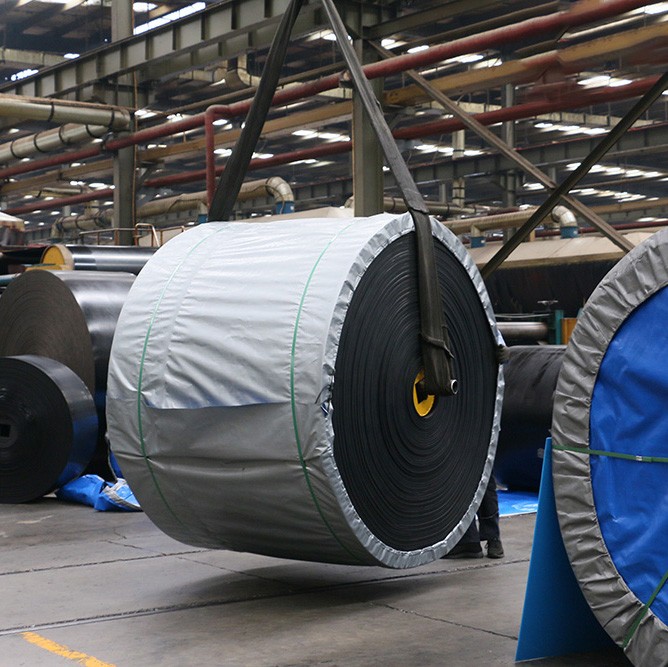
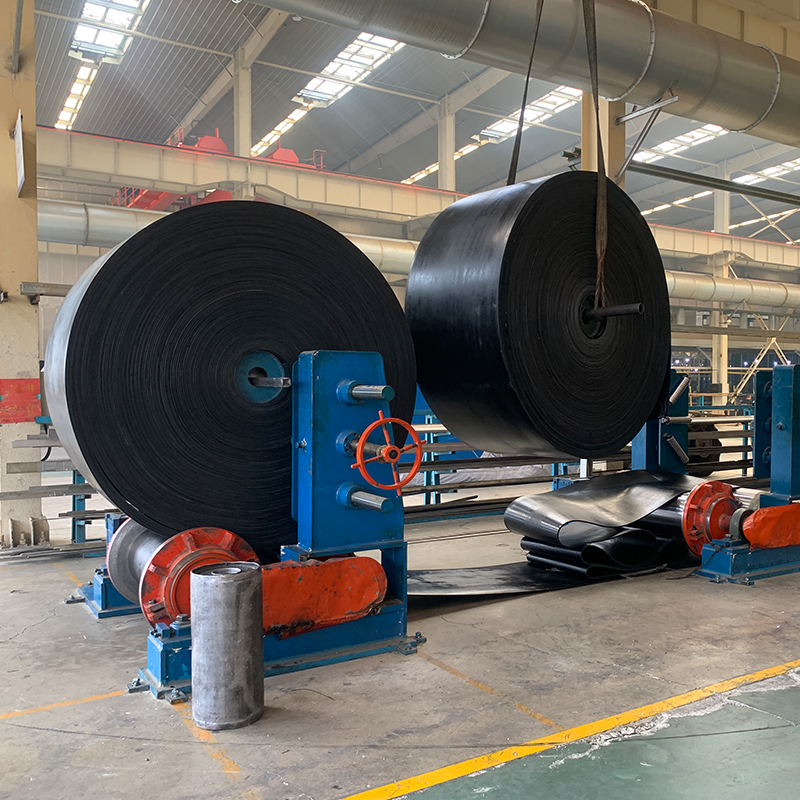
A conveyor belt is a widely used mechanical transmission device capable of transporting items from one place to another. Different types of conveyor belts are suitable for different occasions and materials, so many aspects need to be considered when purchasing conveyor belts.
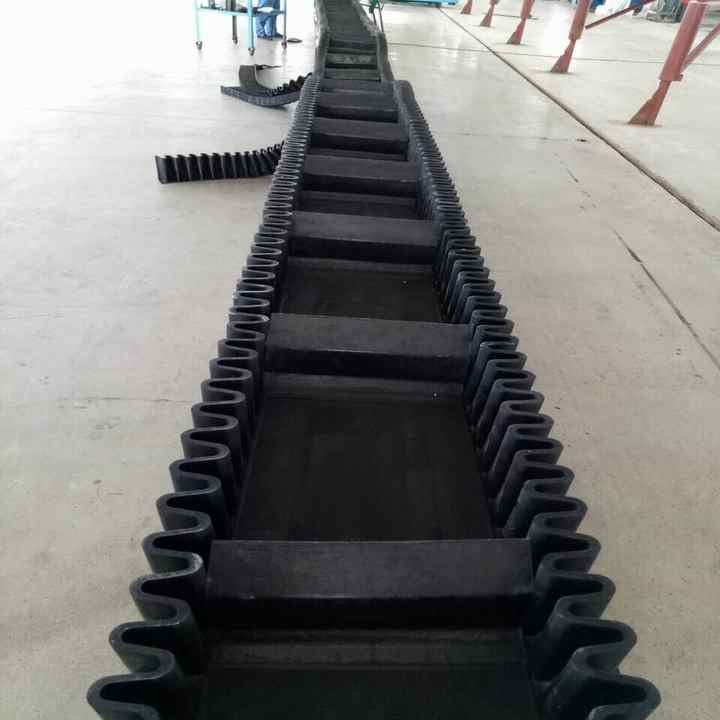
First, common conveyor belt types
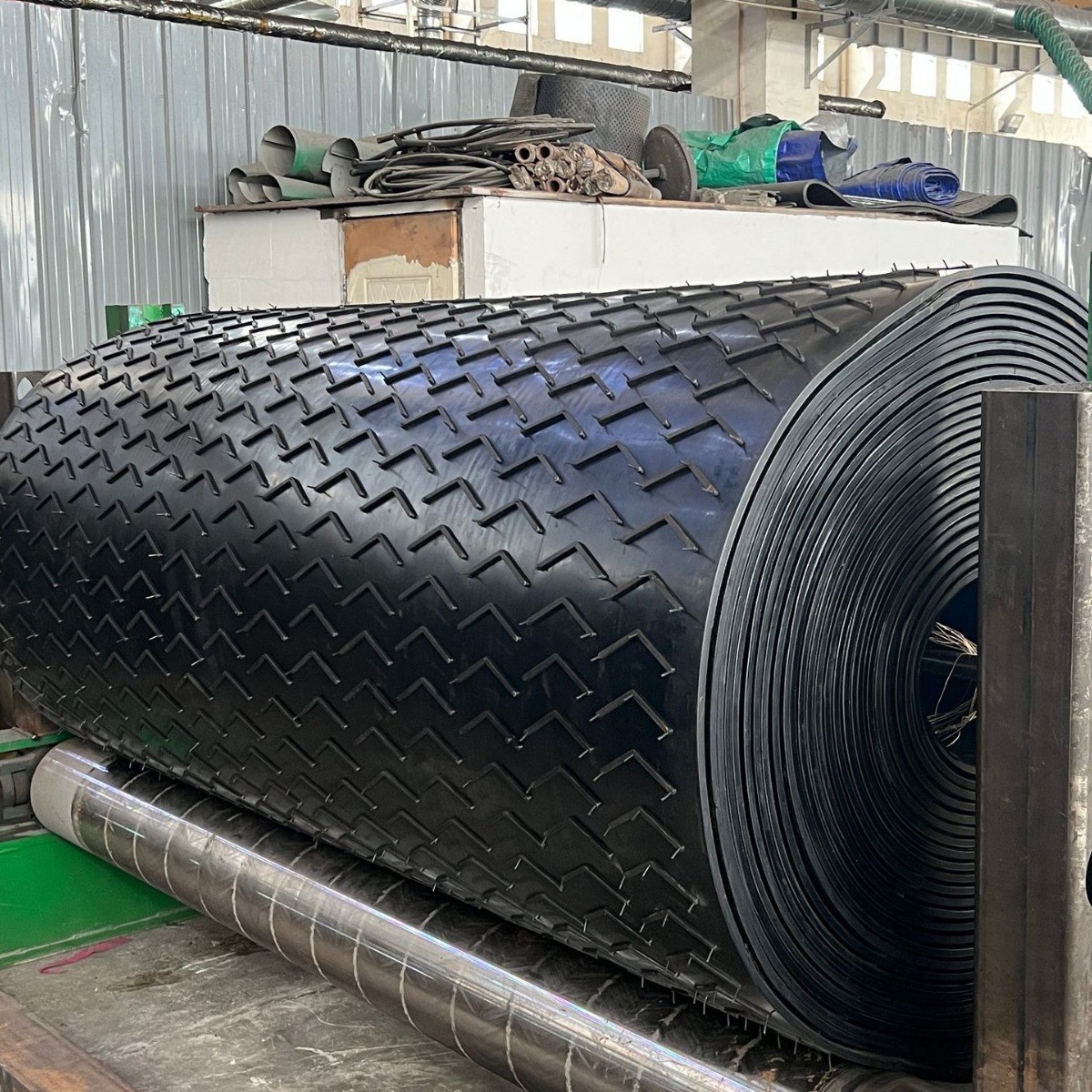
Flat conveyor belt: Flat conveyor belt is the most common type of conveyor belt, usually used for the delivery of light materials, such as food, paper, electronic products, etc. Its structure is simple and reliable, and the length and width can be customized according to needs.
Transition belts: Transition belts are often used to connect two different types of conveyor belts, such as connecting a flat conveyor belt to a roller conveyor belt. It has good bearing capacity and wear resistance, as well as smooth transfer effect.
Roller conveyor belt: Roller conveyor belts are often used to transport heavy materials and play a key role in the production line. It is composed of multiple rollers, which can provide support when the material is transported, and its carrying capacity and stability are high.
Mesh belt conveyor belt: Mesh belt conveyor belt is usually used for material transportation in high temperature or corrosive environment, such as glass products, chemical products, etc. Its structure is usually made of metal mesh or plastic mesh, which has good wear resistance and corrosion resistance.
Grille conveyor belts: Grille conveyor belts are commonly used for grading and screening materials, such as ore, coal, etc. Its structure consists of a number of horizontal and vertical baffles that can separate the material into different sizes and shapes.
Second, how to choose a good quality conveyor belt?
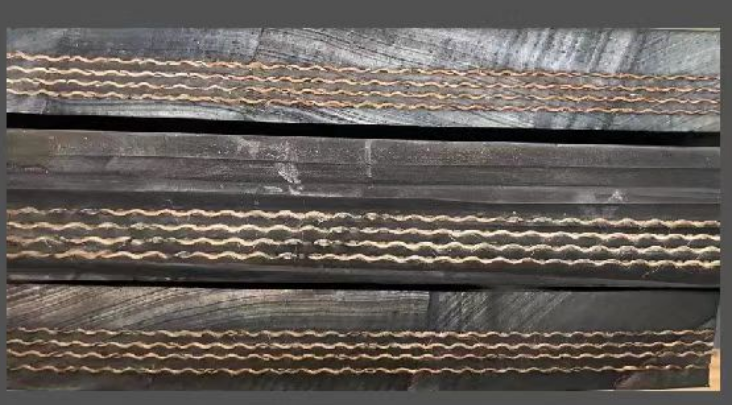
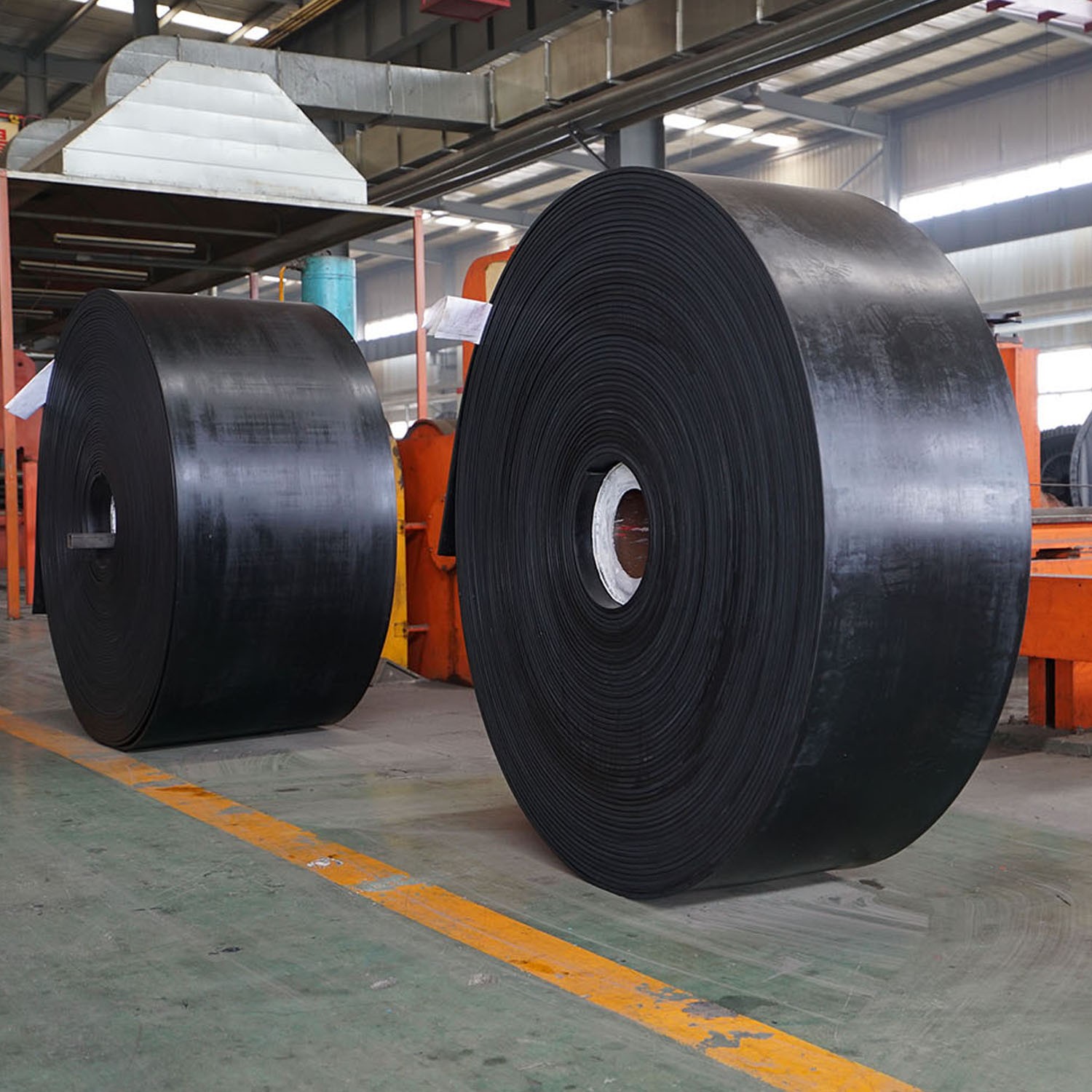
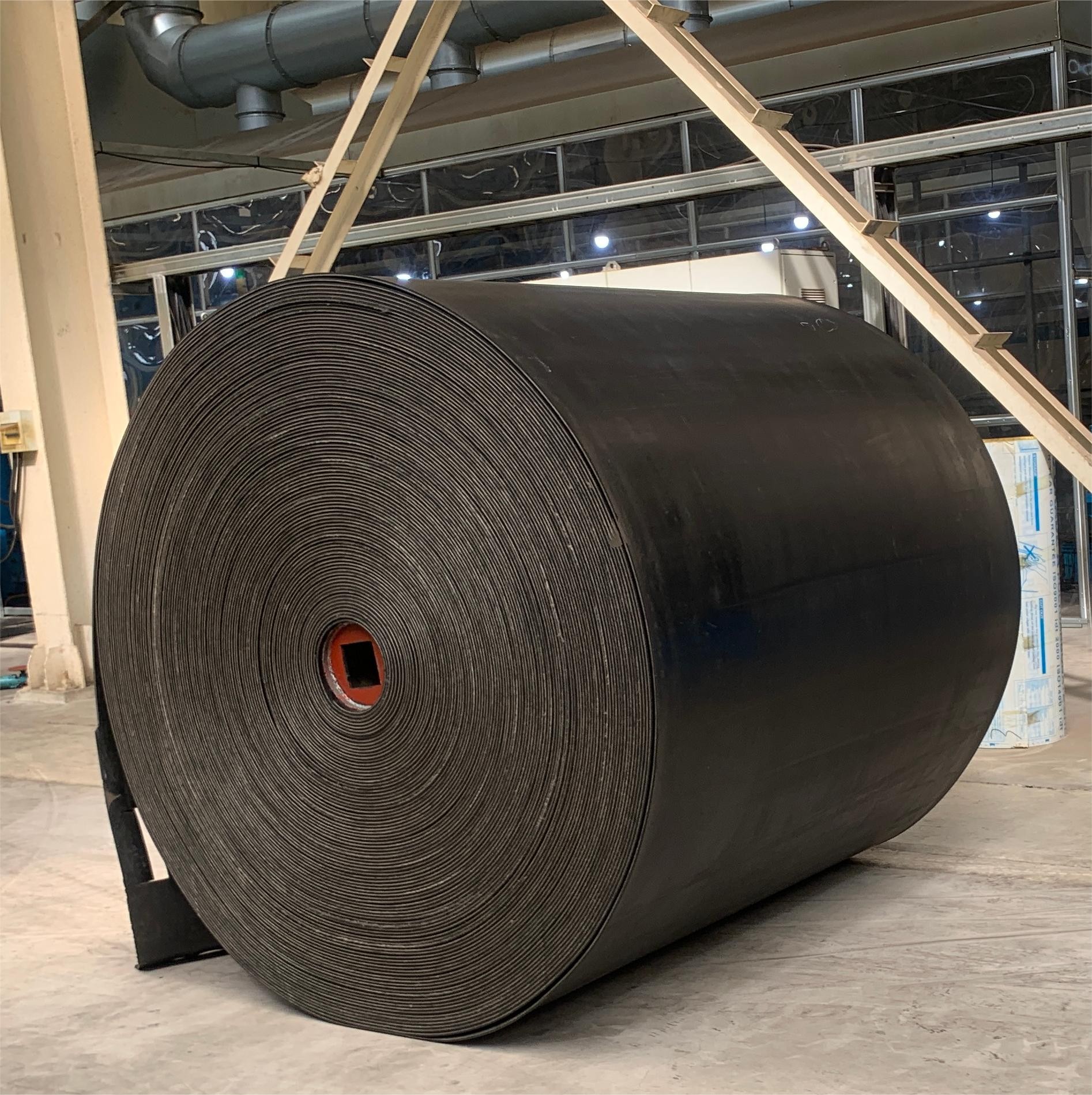
1. Observe the appearance: the surface of the rubber conveyor belt should be smooth and smooth, without obvious bumps and cracks. If the surface is uneven or cracked, it may affect its wear resistance and load-bearing capacity.
2. Measuring thickness: The thickness of the rubber conveyor belt directly affects its wear resistance and service life. The thickness can be measured using a micrometer or other measuring tool to ensure compliance with standard requirements.
3. Tensile test: Tensile test can test the tensile strength and breaking strength of rubber conveyor belt. During the test, the sample needs to be stretched on the tension machine and the corresponding data is recorded. The quality of rubber conveyor belt can be judged by tensile test.
In addition to the above three tips, it is also necessary to pay attention to the selection of regular manufacturers and suppliers to ensure that the rubber conveyor belt meets the relevant safety standards and quality standards. In addition, regular inspection and maintenance are also required during use to ensure the normal operation and extend the service life of the conveyor belt.
Xiamen Steadily Rising Conveyor Belt Co., Ltd. engaged in conveyor belt for more than 20 years, new and old customers all over the world, our conveyor belt products average life of more than 1.5 years, worthy of your trust.