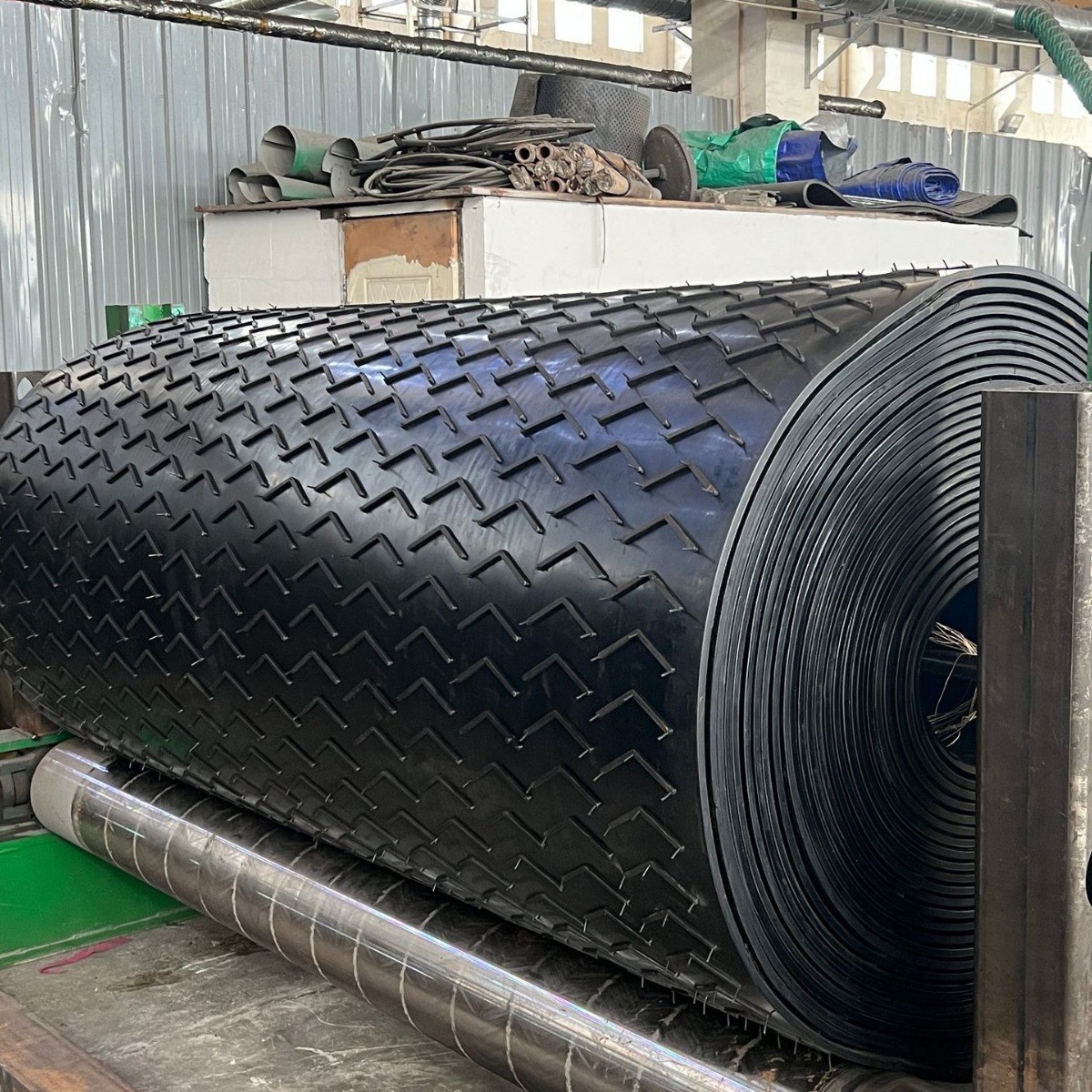
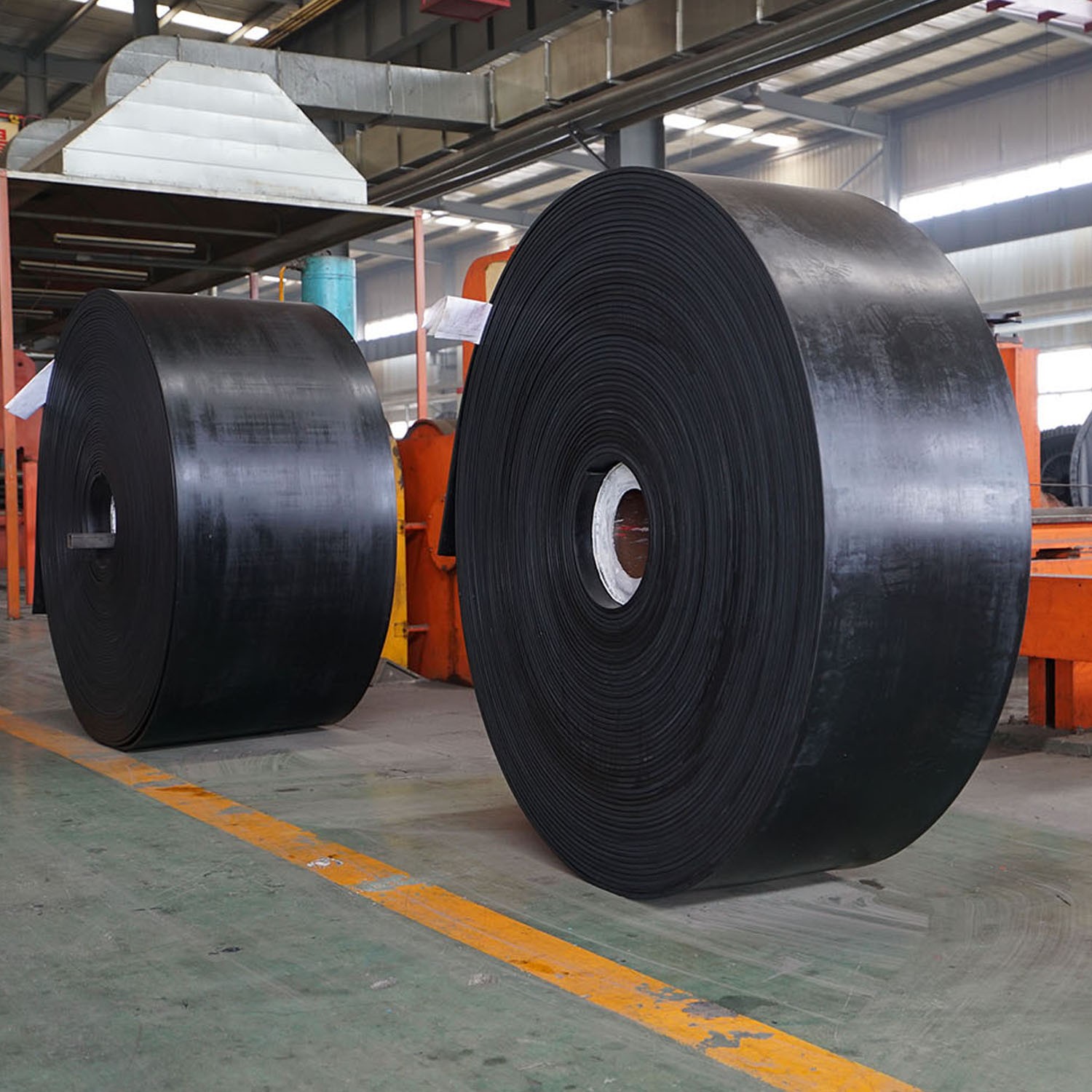
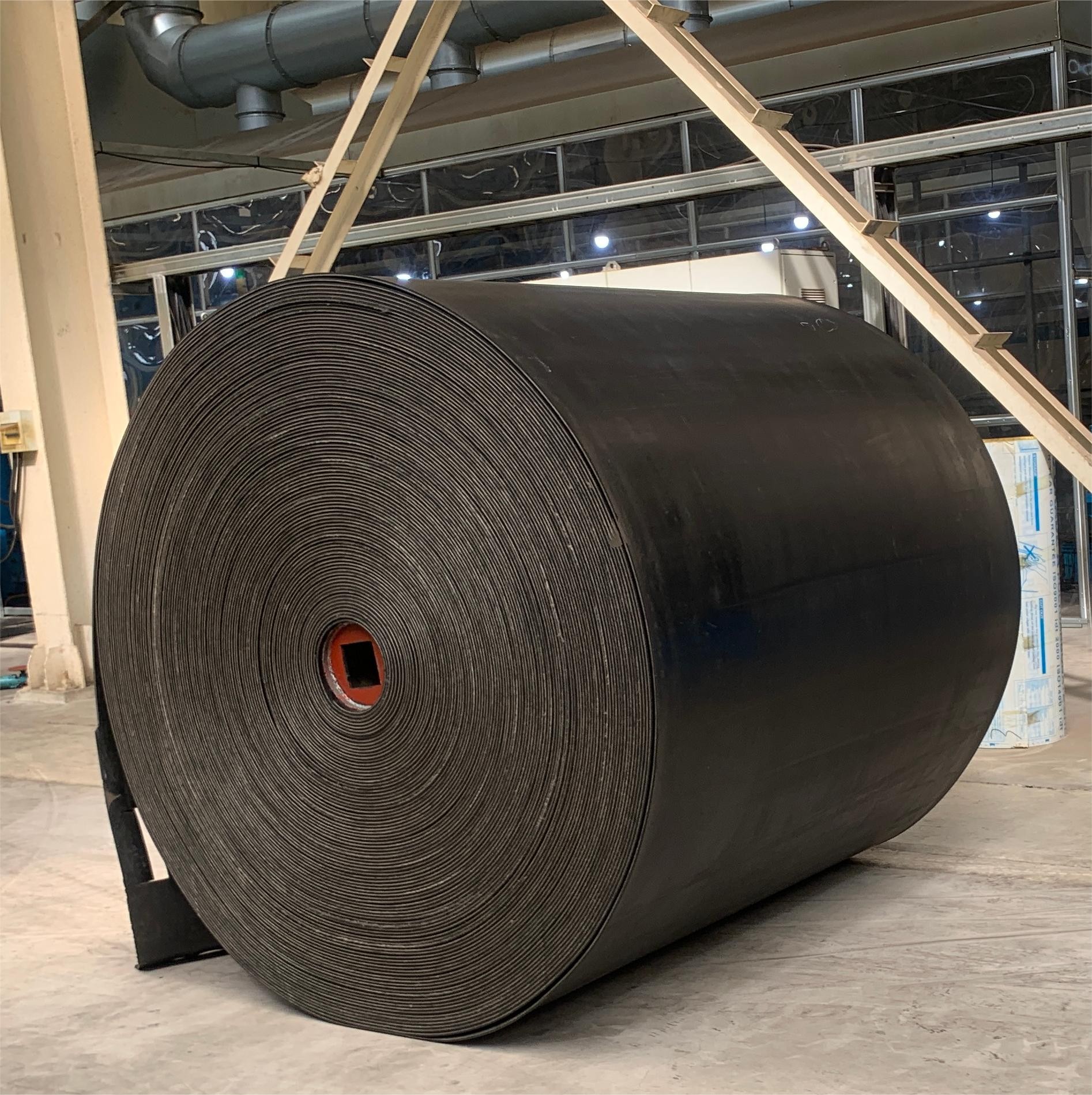
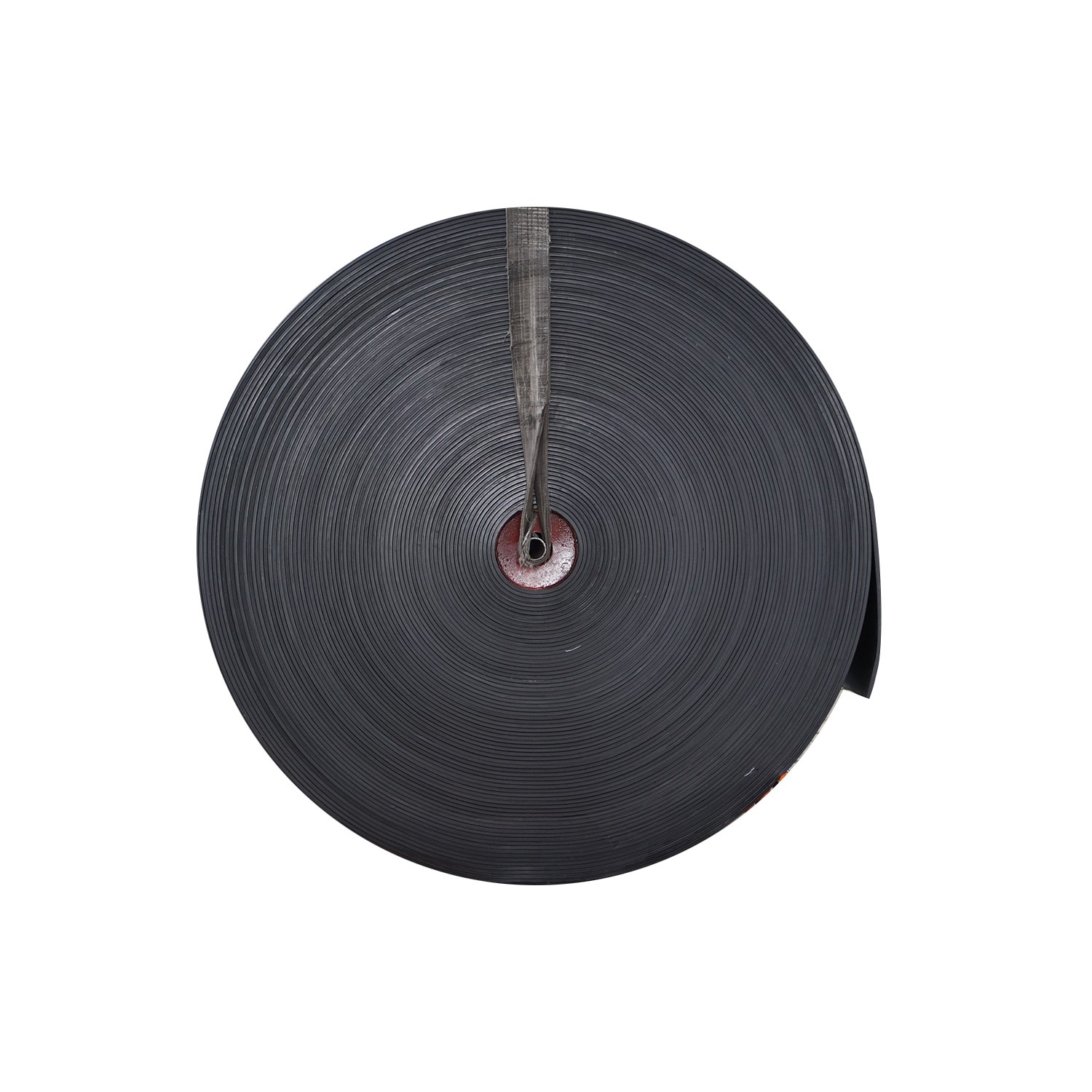
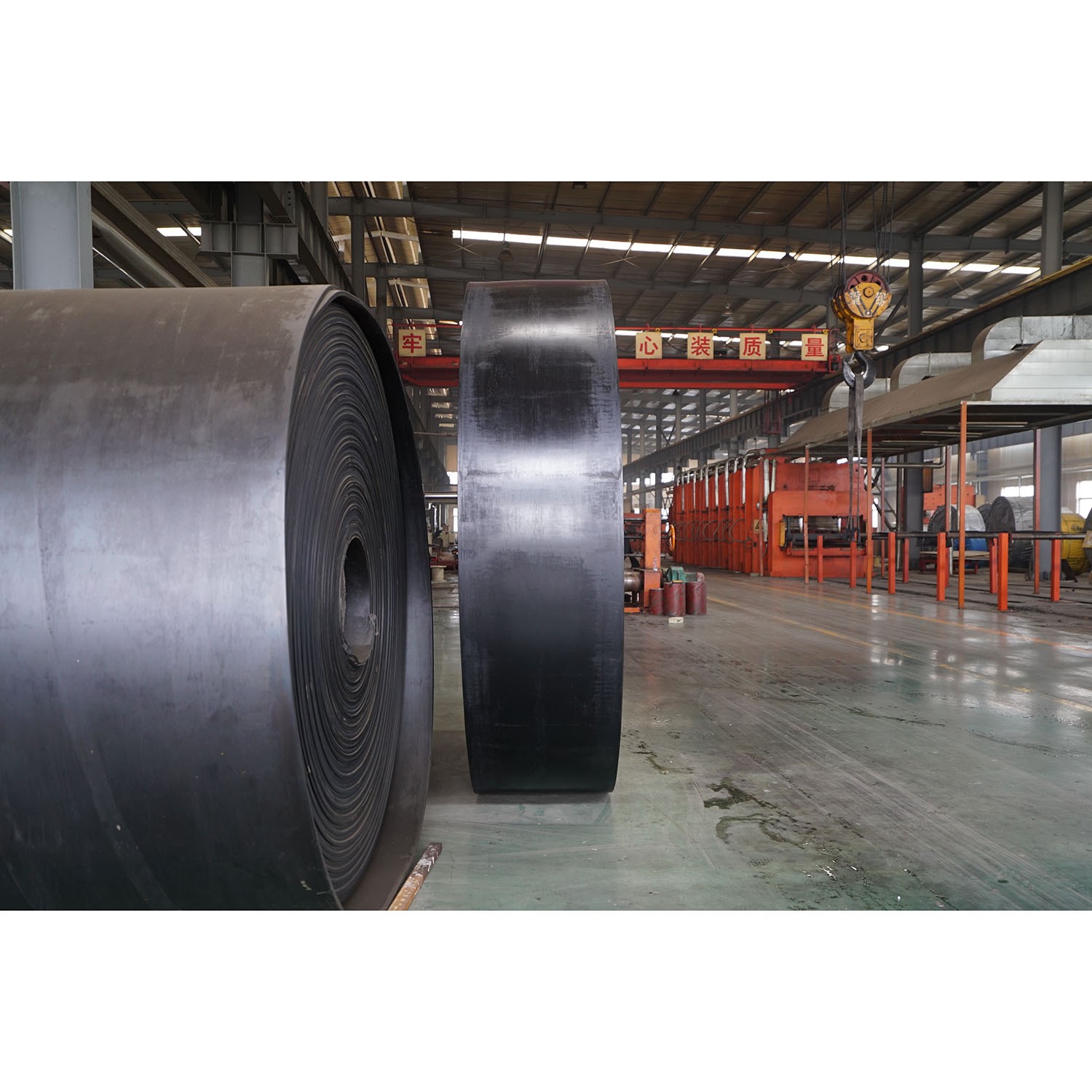
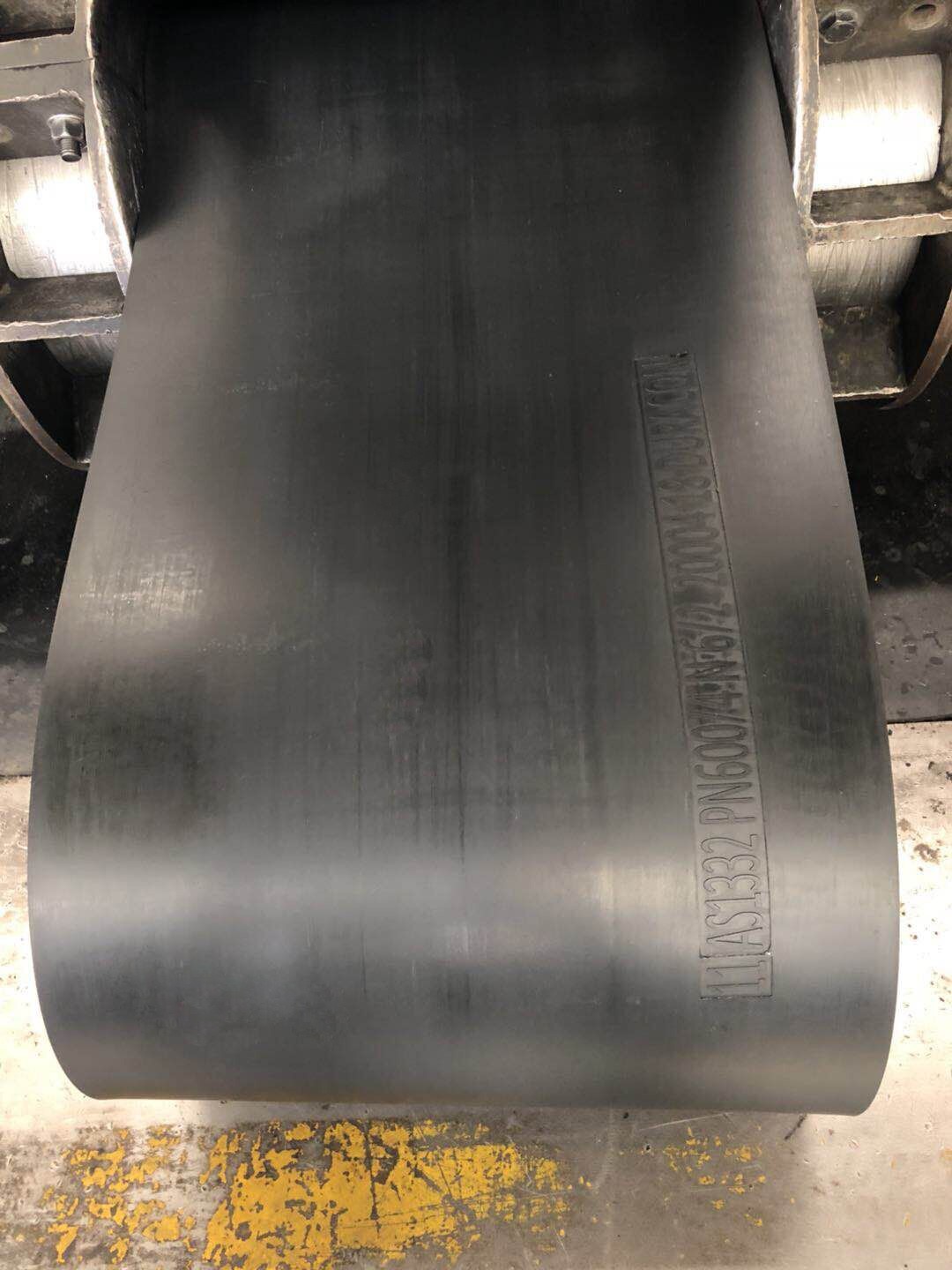
High Strength and Wear Resistance:
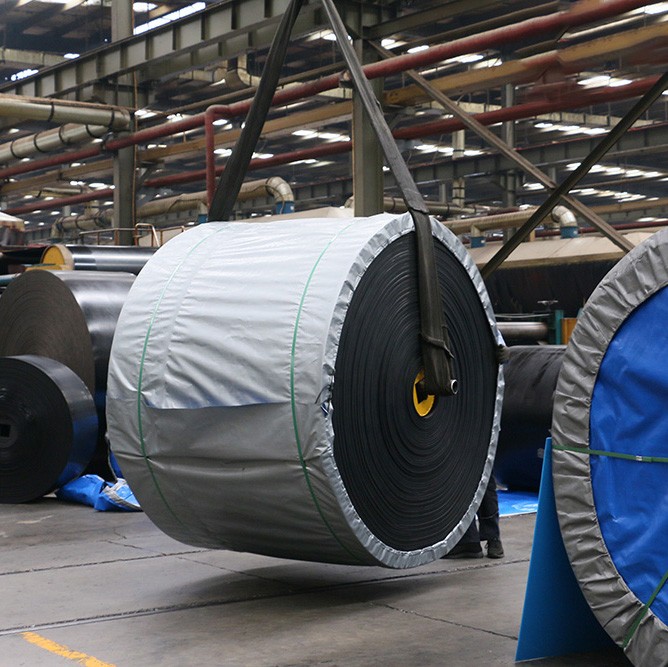
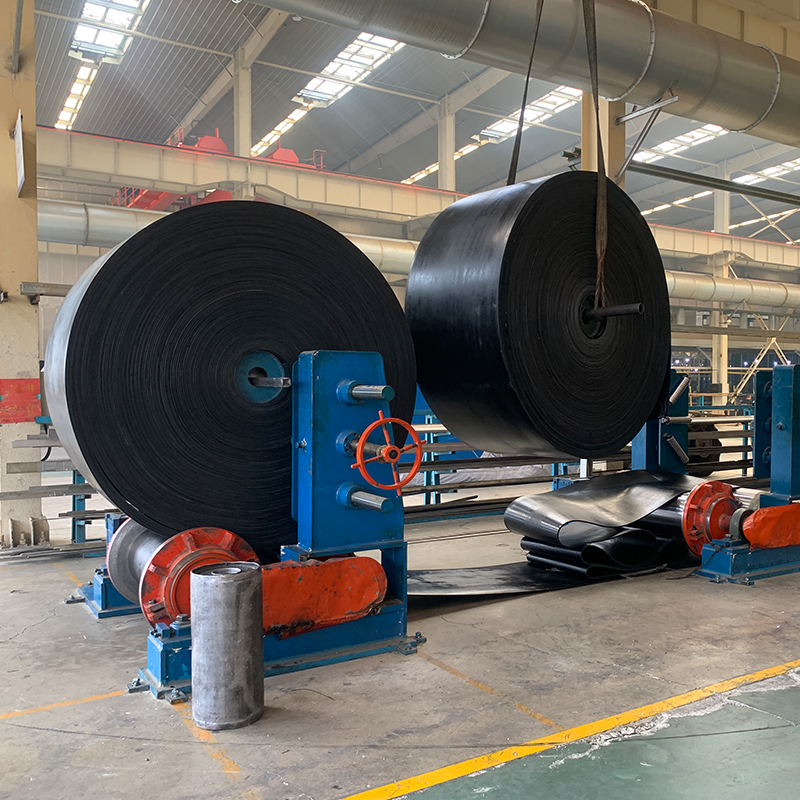
The carcass material is selected from high-strength polyester canvas or cotton canvas, ensuring the belt body has high tensile strength and excellent wear resistance, capable of withstanding heavy loads and high-speed operation conditions.
Good Troughability and Elasticity:
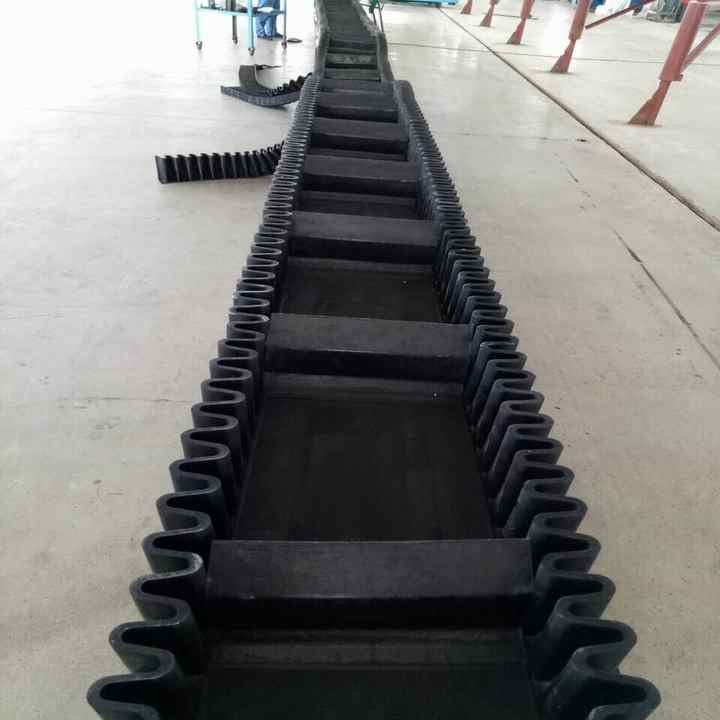
The belt body is soft and has excellent troughability, easily forming material troughs, increasing conveying capacity and effectively preventing material spillage. At the same time, the conveyor belt has good elasticity, which can reduce vibration and noise during operation.
Impact Resistance and Corrosion Resistance:
The specially formulated rubber cover layer has excellent impact and wear resistance, and also has a certain degree of corrosion resistance, enabling it to adapt to relatively complex working environments.
Stable Operation and Not Easy to Deviate:
Precise production technology and a strict quality control system ensure that the conveyor belt runs smoothly and is not prone to deviation, thereby reducing maintenance workload and downtime.
Product Applications
Heat-resistant conveyor belts are widely used in the following high-temperature material conveying scenarios:
Cement Industry:
Conveying high-temperature materials such as cement clinker, cement dust, and hot cement.
Metallurgical Industry:
Conveying high-temperature materials such as sintered ore, hot coke, hot ore, and metallurgical slag.
Steel Industry:
Conveying high-temperature materials such as hot coke, iron ore, steel slag, and hot steel billets.
Coking Industry:
Conveying high-temperature materials such as hot coke and coke powder.
Foundry Industry:
Conveying high-temperature materials such as hot castings and molding sand.
Fertilizer Industry:
Conveying high-temperature chemical fertilizers and other materials.
Glass Industry:
Conveying high-temperature materials such as hot glass.
Other High-Temperature Material Conveying Scenarios:
For example, hot chemical materials, hot sand, hot asphalt, etc.
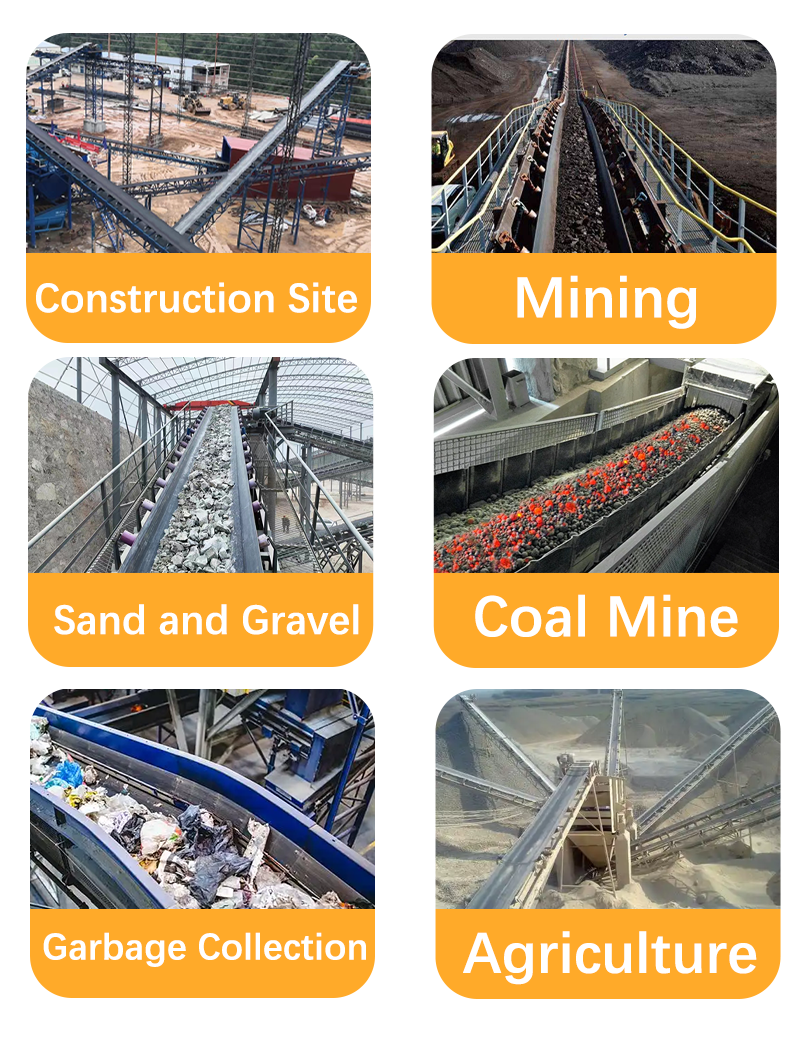
The above specifications are common specifications. If you have special needs, we can customize production according to the specific working conditions of customers.
For key parameters such as conveyor belt bandwidth, thickness, and heat resistance grade, you can flexibly choose according to actual working conditions to achieve the best conveying effect and economy.
We can provide endless conveyor belts and diversified joint methods to fully meet various installation and usage needs.
Precautions for Use
Uniform Material Distribution:
When conveying materials, ensure that the materials are evenly distributed across the width of the conveyor belt. Avoid excessive concentration of materials in localized areas. This prevents localized overheating or wear that could reduce the service life of the conveyor belt.
Avoid Oil Contamination:
Pay special attention to preventing oil contamination of the conveyor belt. Oil can corrode rubber, significantly reducing its heat resistance and service life. Even trace amounts of oil in cooling water can potentially damage the conveyor belt and should be avoided as much as possible.
Timely Unloading:
Once a conveyor belt loaded with hot materials stops running, it is imperative to quickly take measures to unload the hot materials from the conveyor belt in a timely manner. This prevents heat from concentrating in the same position on the conveyor belt for extended periods, which would accelerate rubber aging.
Selection of Joint Method:
For heat-resistant conveyor belts, to maximize the strength and heat resistance of the joints, it is recommended to prioritize hot vulcanization joint methods. In high-temperature environments, the reliability of mechanical joints or cold adhesive joints may be relatively reduced.
Regular Inspection and Maintenance:
Establishing a regular inspection and maintenance system is crucial. Regularly inspect the wear condition of the conveyor belt, the condition of the joints, and the overall operating status. Promptly clean materials adhering to the conveyor belt surface and perform necessary maintenance and replacements based on inspection results. This will extend the service life of the conveyor belt and ensure safe and stable production operation.