• Steel cord conveyor belt
  • Steel cord conveyor belt
  • Steel cord conveyor belt
  • Steel cord conveyor belt
  • Steel cord conveyor belt
  • video

Steel cord conveyor belt

  • WBS
  • China
  • 1-20days
  • 100,000 meters/month
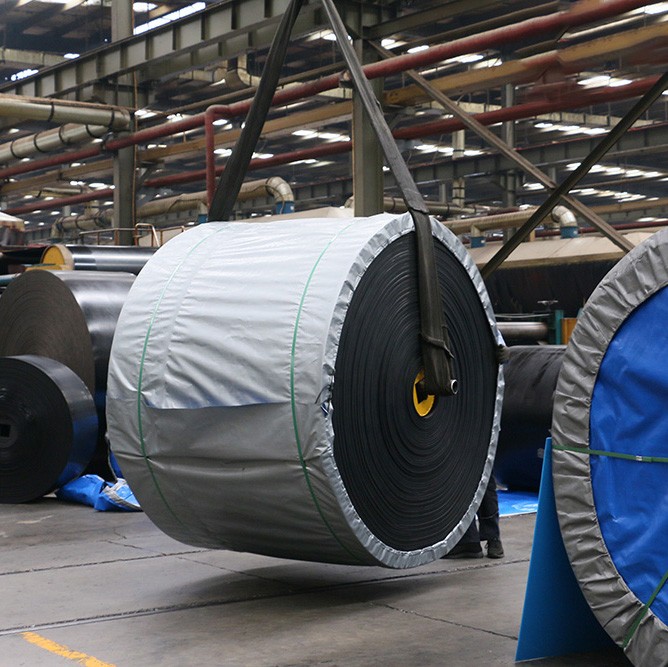
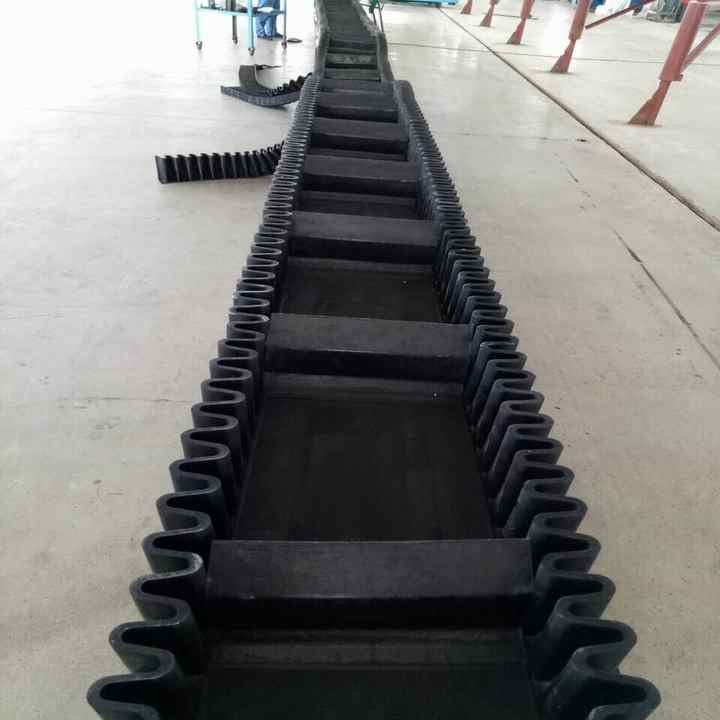
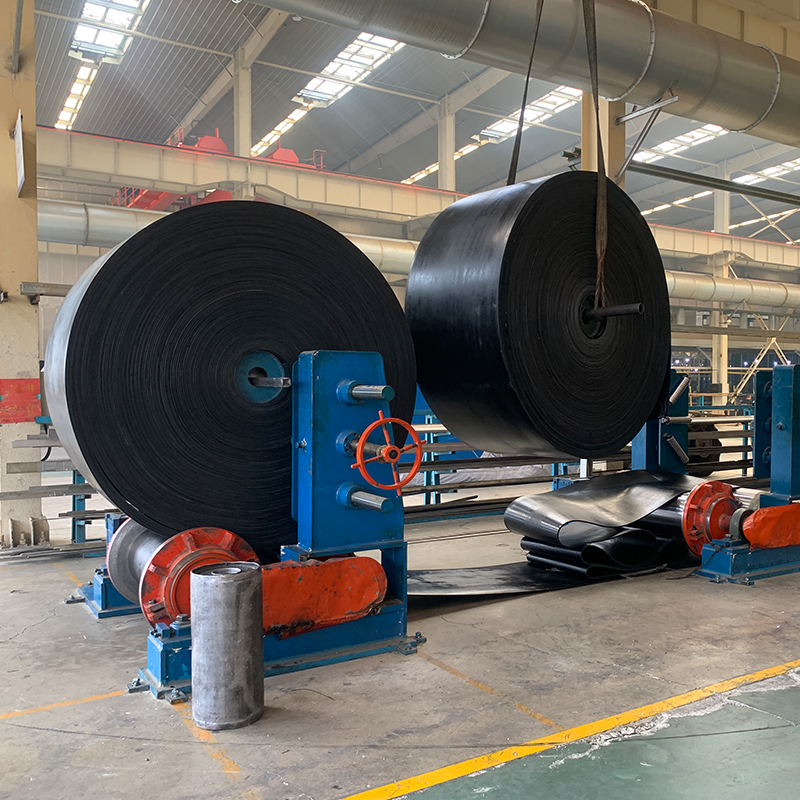
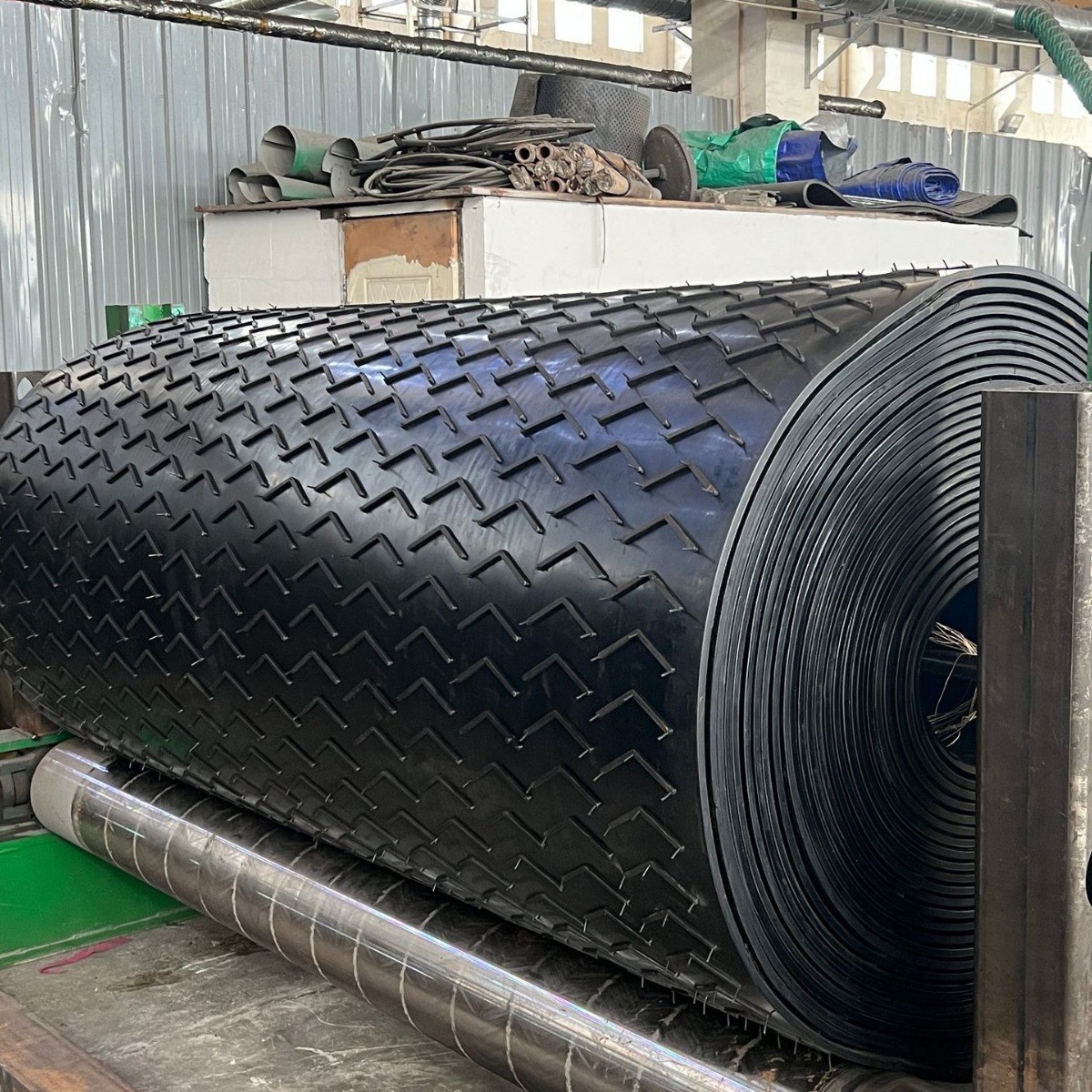
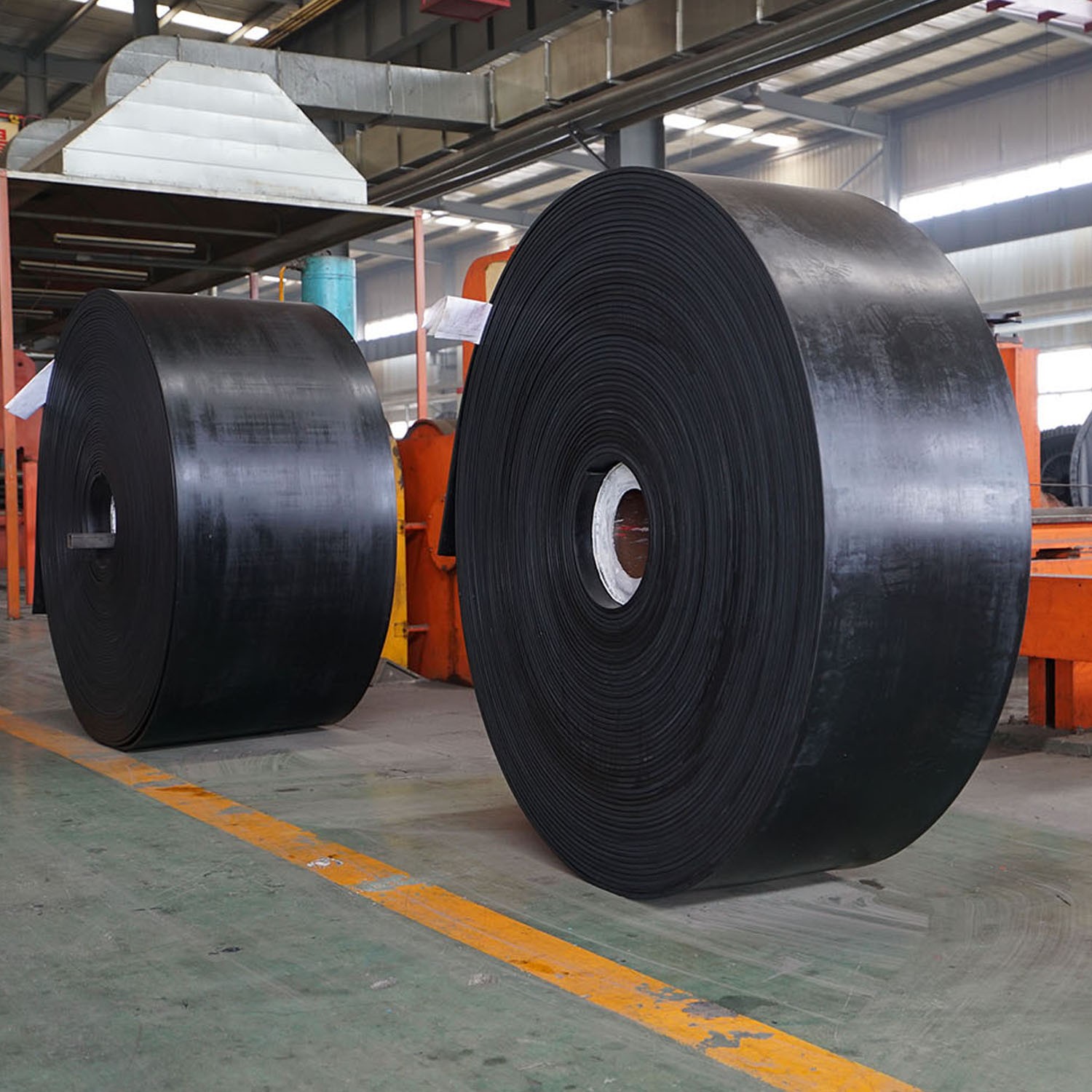
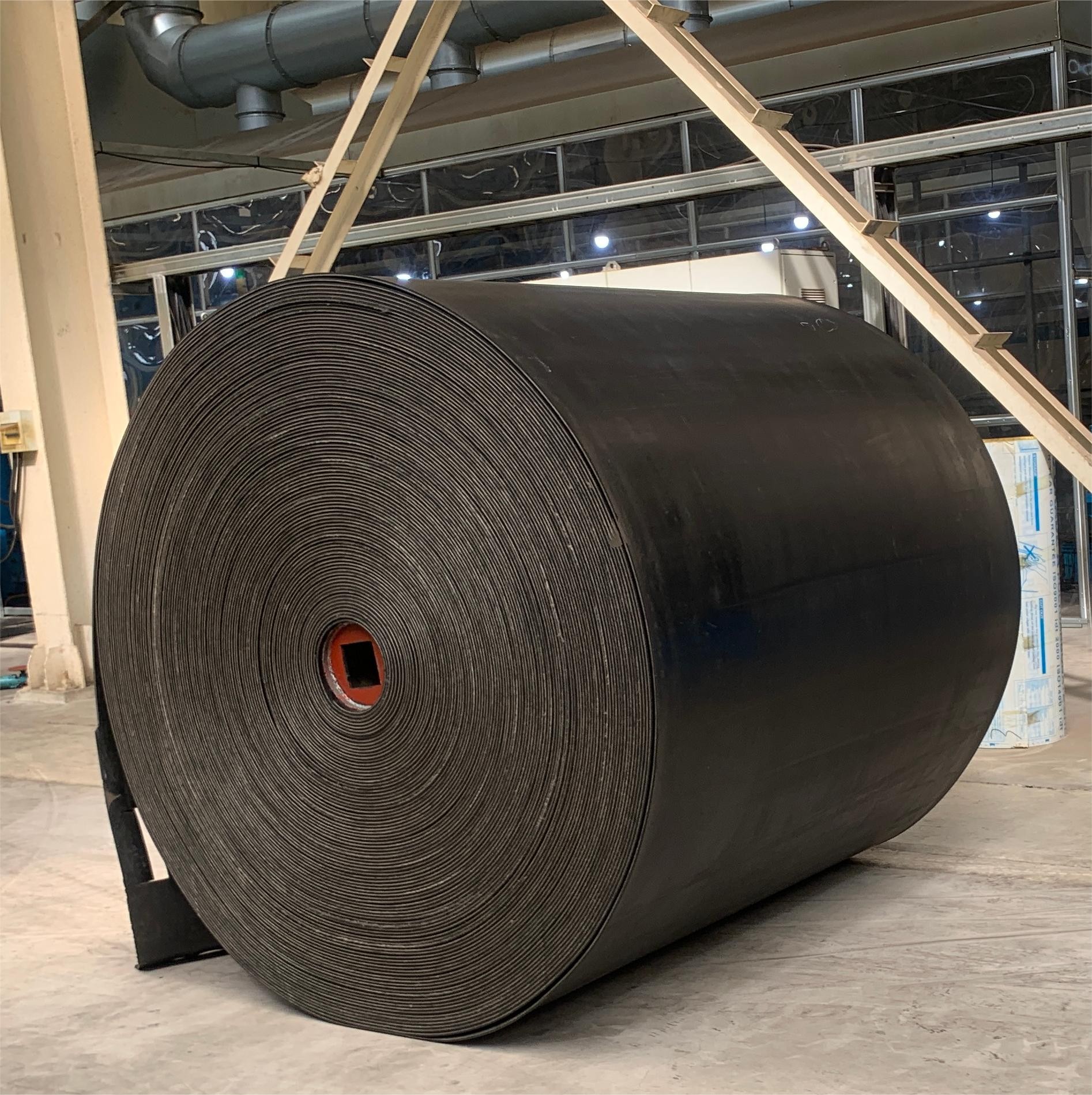
Steel cord conveyor belts are critical components for high-strength, long-distance material conveying, and are widely used in industries such as mining, metallurgy, ports, power, and building materials. They use steel cords as the belt core, giving the conveyor belt excellent tensile strength and impact resistance, enabling them to be competent in harsh working conditions and high-intensity operation environments.

Product Overview

Steel cord conveyor belts are critical components for high-strength, long-distance material conveying, and are widely used in industries such as mining, metallurgy, ports, power, and building materials. 

They use steel cords as the belt core, giving the conveyor belt excellent tensile strength and impact resistance, enabling them to be competent in harsh working conditions and high-intensity operation environments.

conveyor belt


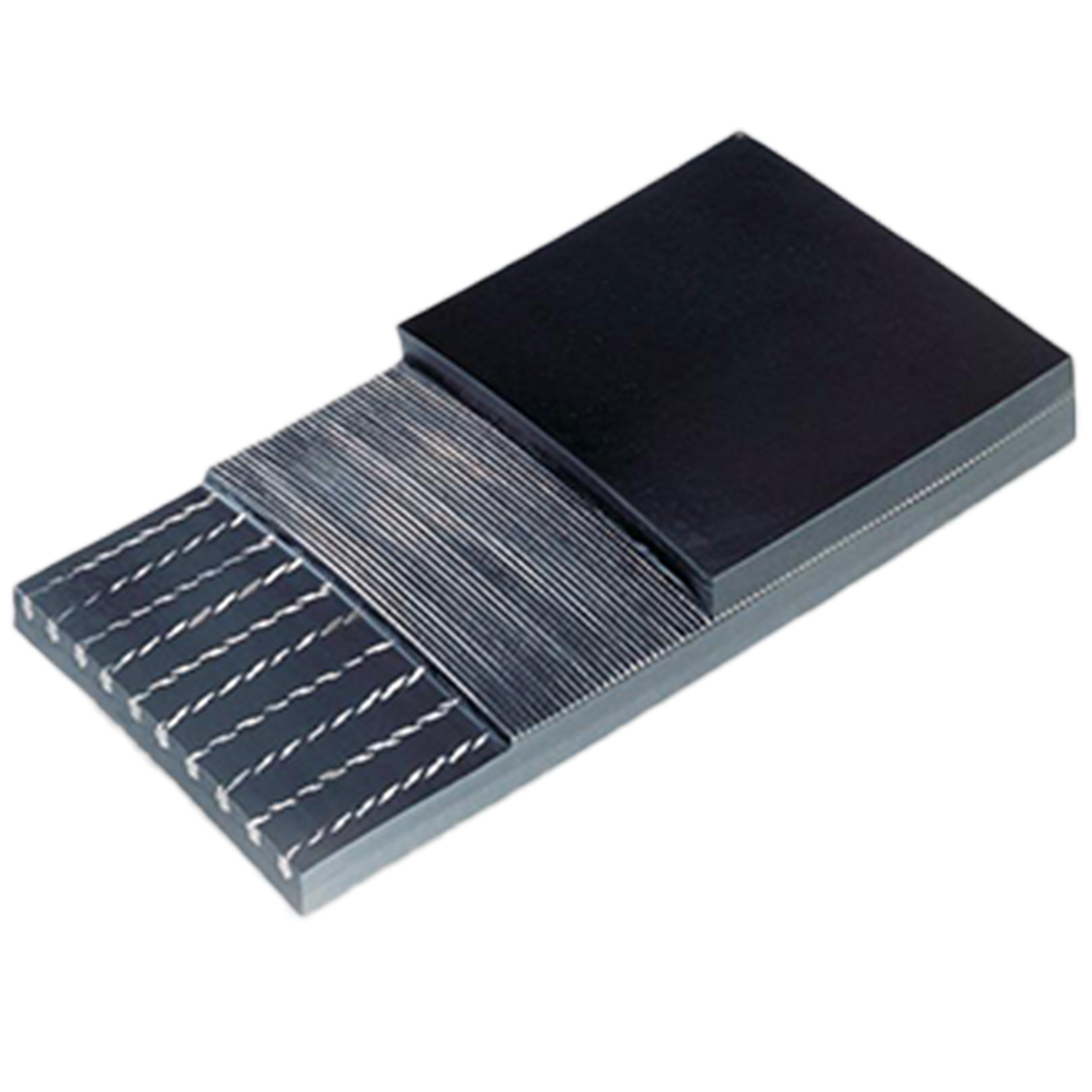
Structural composition

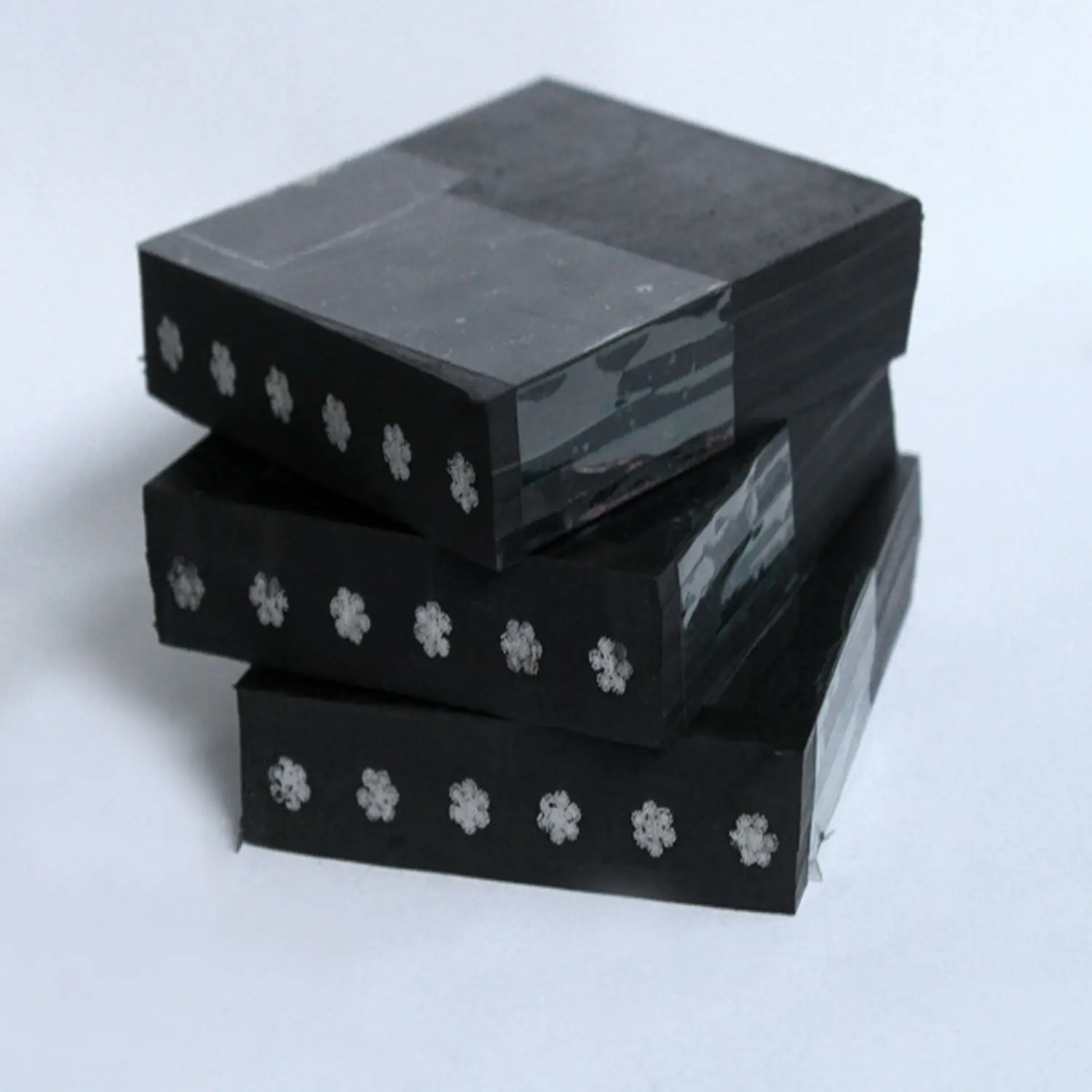
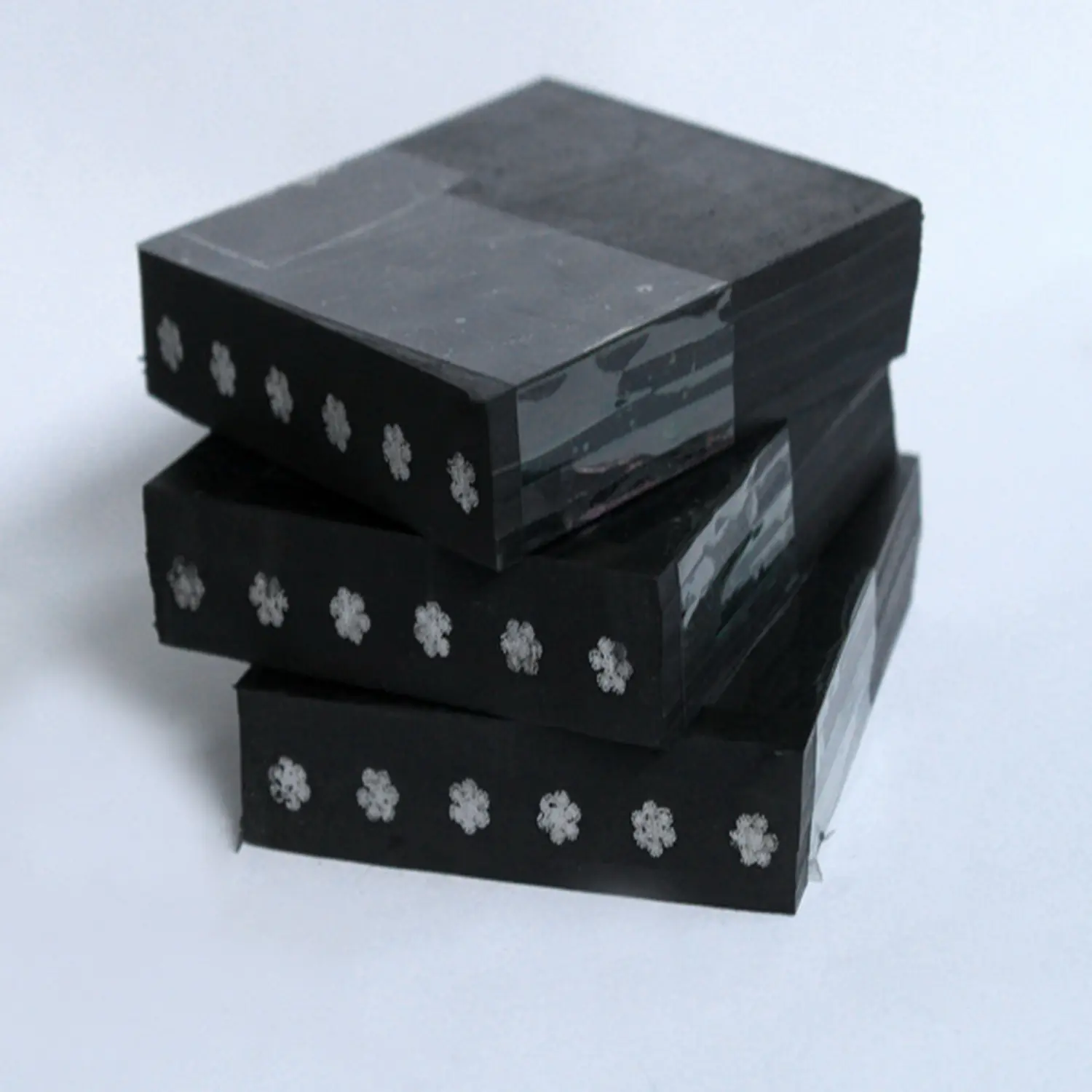
Steel Cord Core:

  • High-Strength Load-Bearing Element:

    The steel cord core is the central component of the conveyor belt, made of multiple high-strength steel wires twisted together to provide the longitudinal tensile strength required for the conveyor belt.

  • Uniform Distribution:

    The steel cords are evenly distributed within the belt body, ensuring uniform stress distribution and smooth operation of the conveyor belt.

  • Different Strength Grades:

    According to different conveying needs, the strength grade of the steel cord core can be adjusted. Specifications range from ST-500 to ST-5400 and beyond, to meet varying tensile strength requirements.

Core Rubber:

  • Fixes Steel Cord Core:

    The core rubber encapsulates and secures the steel cord core, providing bonding strength between the steel cords and the cover layers.

  • Protects Steel Cords:

    It protects the steel cord core from external damage and corrosion.

  • Buffer Damping:

    It provides a certain degree of buffering and damping, improving the operational stability of the conveyor belt.

Cover Rubber: 

The cover rubber consists of upper and lower layers.

Top Cover:

  • Wear and Impact Resistance:

    Directly contacts conveyed materials and withstands abrasion, impact, and corrosion from the materials.

  • Multiple Material Options:

    Different performance rubber materials can be selected based on the characteristics of the conveyed material and working conditions, such as wear-resistant rubber, heat-resistant rubber, cold-resistant rubber, acid and alkali resistant rubber, etc.

  • Variable Thickness:

    The thickness of the top cover can be selected based on the degree of abrasion of the conveyed material to ensure the service life of the conveyor belt.

Bottom Cover:

  • Protects Belt Core:

    Protects the belt core from wear from conveyor rollers and idlers.

  • Provides Friction:

    Contacts with the rollers to provide the friction required for conveyor belt operation.

  • Typically Thinner than Top Cover:

    The bottom cover is usually thinner than the top cover to balance the overall performance of the conveyor belt.

rubber conveyor belt


Features and Advantages

Compared to traditional EP conveyor belts, steel cord conveyor belts have the following significant features and advantages:

  • High Strength:

    The steel cord core provides extremely high tensile strength, capable of meeting the material conveying needs of long distances, large volumes, and high speeds.

  • Low Elongation:

    Operational elongation is small, take-up stroke is short, making it easy to maintain and manage.

  • Good Impact Resistance:

    Able to withstand significant material impact, especially suitable for conveying heavy materials.

  • High Joint Strength:

    High joint strength and high operational reliability can reduce downtime caused by joint breakage.

  • Flex Fatigue Resistance:

    The steel cord core structure gives it excellent flex fatigue resistance, suitable for working environments with frequent bending.

  • Applicable to Small Diameter Pulleys:

    Smaller diameter pulleys can be used, reducing equipment costs and resulting in a compact structure.

  • Long Service Life:

    Under correct usage and maintenance conditions, steel cord conveyor belts have a long service life.

Specifications and Parameters:

  • Strength grades range from ST-500 N/mm to ST-5400 N/mm and even higher.

  • Steel cord diameter and pitch can be adjusted according to strength grade and bandwidth.

  • Cover layer thickness can also be selected based on working conditions.


Application Areas

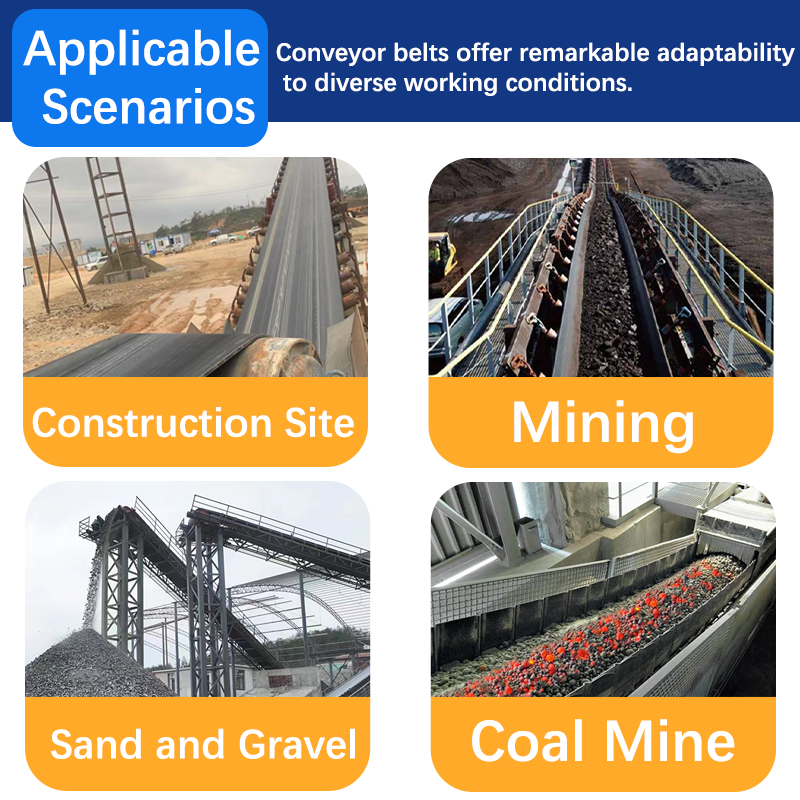
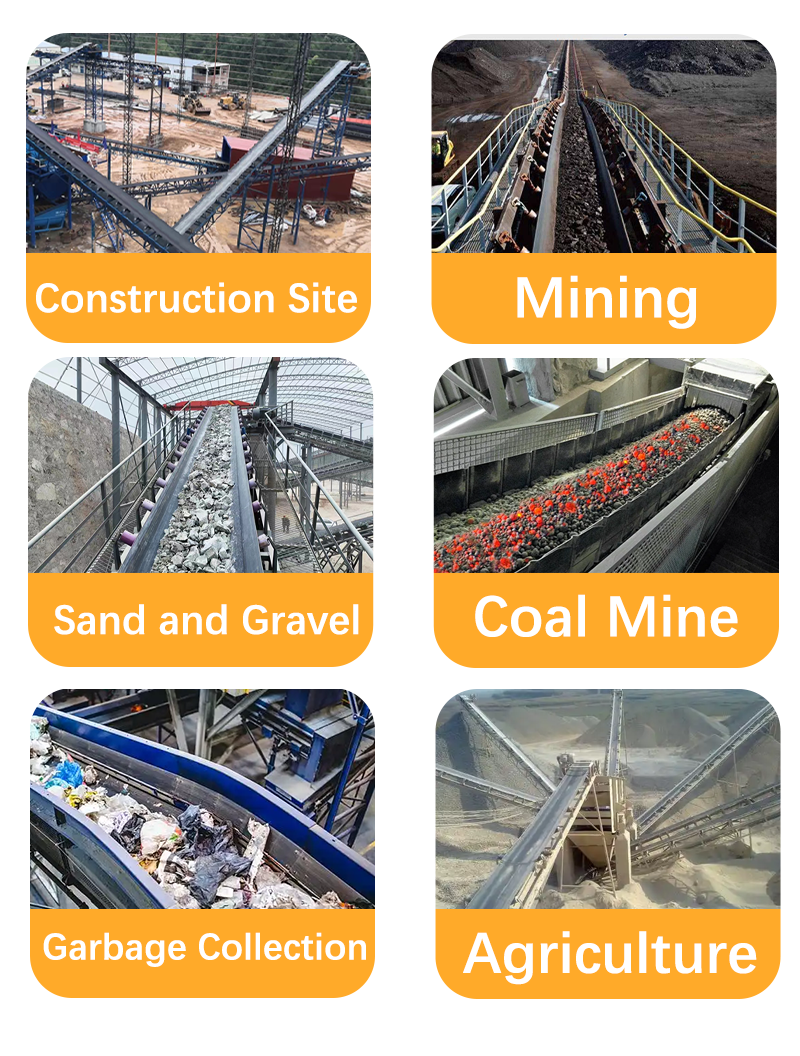
Steel cord conveyor belts, thanks to their excellent performance, are widely used in the following fields:

  • Mining:

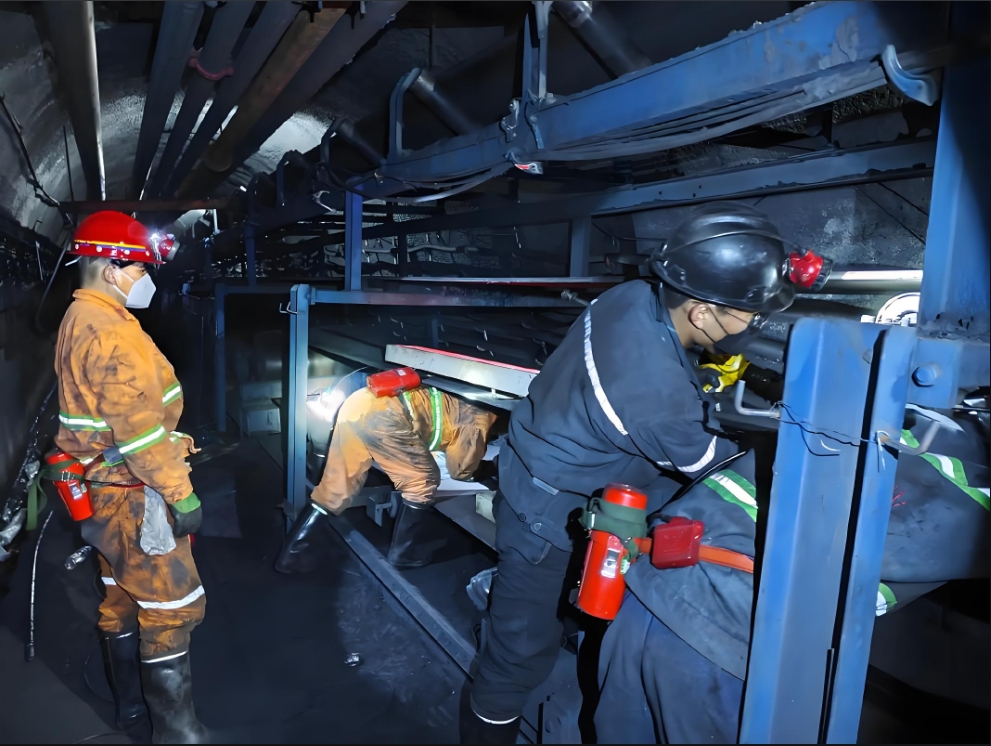
    Material transportation in underground and open-pit mines such as coal mines and metal mines, for materials like coal, ore, and waste rock.

  • Steel Plants:

    Transportation of raw materials and finished products in the steel production process, such as iron ore, coke, sinter, and steel.

  • Ports and Docks:

    Material loading, unloading, and transfer of bulk cargo at ports and docks, such as coal, ore, and grain.

  • Power Plants:

    Coal conveying systems in power plants.

  • Building Materials Industry:

    Transportation of raw materials and finished products in cement plants and aggregate plants, such as cement clinker, limestone, and sand and gravel aggregates.

  • Metallurgical Industry:

    Material transportation in non-ferrous metal smelters.

  • Other Industries:

    Material transportation in chemical, light industry, grain, and other industries.

Steel cord conveyor belt

Specifications and Parameters (Examples)

Below are some common specifications and parameters for steel cord conveyor belts. Specific parameters can be customized based on actual working conditions and requirements:

Strength Grade (ST)Tensile Strength (N/mm)Steel Cord Pitch (mm)Steel Cord Diameter (mm)Minimum Breaking Force (KN)Minimum Cover Layer Thickness (mm)
ST-500500102.55.54
ST-8008001038.94
ST-10001000123.412.94
ST-16001600124.720.64
ST-2000200012525.64
ST-25002500156.8405
ST-31503150157.3550.55.5
ST-40004000158.863.56.5
ST-500050001710.9917.5

Note: The above parameters are examples only. Please refer to product samples or consult with suppliers for specific specifications.


Maintenance and Care

To ensure the normal operation and extend the service life of steel cord conveyor belts, regular maintenance and care are necessary:

  • Daily Inspection:

    • Check the conveyor belt surface for any damage, wear, tears, or other issues.

    • Inspect the joint areas to ensure they are intact, without cracking or debonding.

    • Check if the conveyor belt is misaligned and adjust the correcting device in a timely manner.

    • Inspect whether the idlers, rollers, and other components are operating normally, without jamming or abnormal wear.

  • Regular Cleaning:

    • Periodically clean accumulated materials and debris from the conveyor belt surface to prevent material adhesion and wear of the conveyor belt.

    • Clean up dust accumulation around the conveyor to maintain a clean working environment.

  • Lubrication:

    • Regularly lubricate rotating components such as idlers and rollers to reduce friction and extend component life.

  • Tension Adjustment:

    • Periodically check the tension of the conveyor belt and adjust it according to the actual situation to ensure the normal operation of the conveyor belt.

  • Preventive Maintenance:

    • Develop a preventive maintenance plan, regularly replace vulnerable parts, such as conveyor belts with severely worn covers and joints with severe aging.

conveyor belt

Get the latest price? We will reply as soon as possible (within 12 hours)