Excellent Oil Resistance:
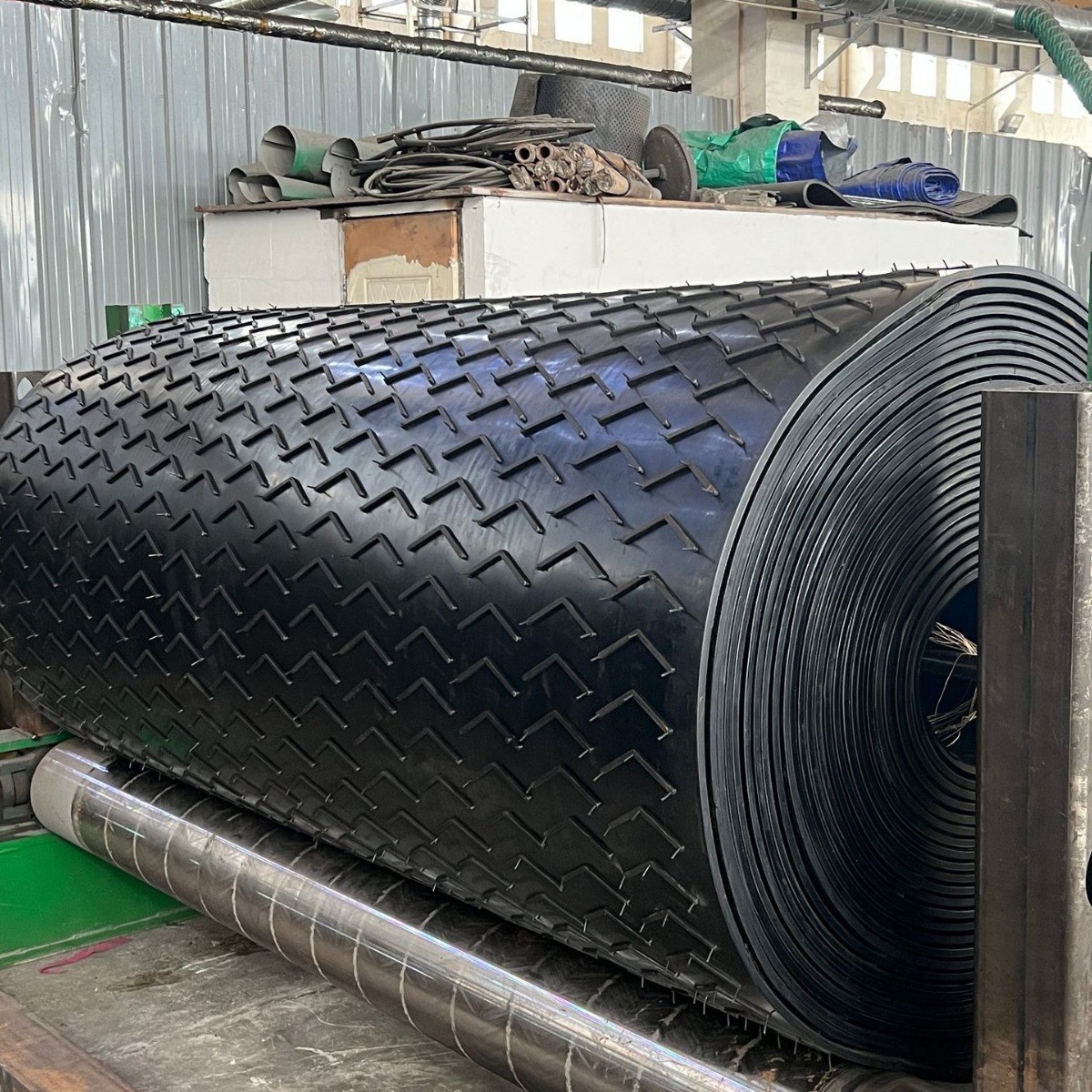
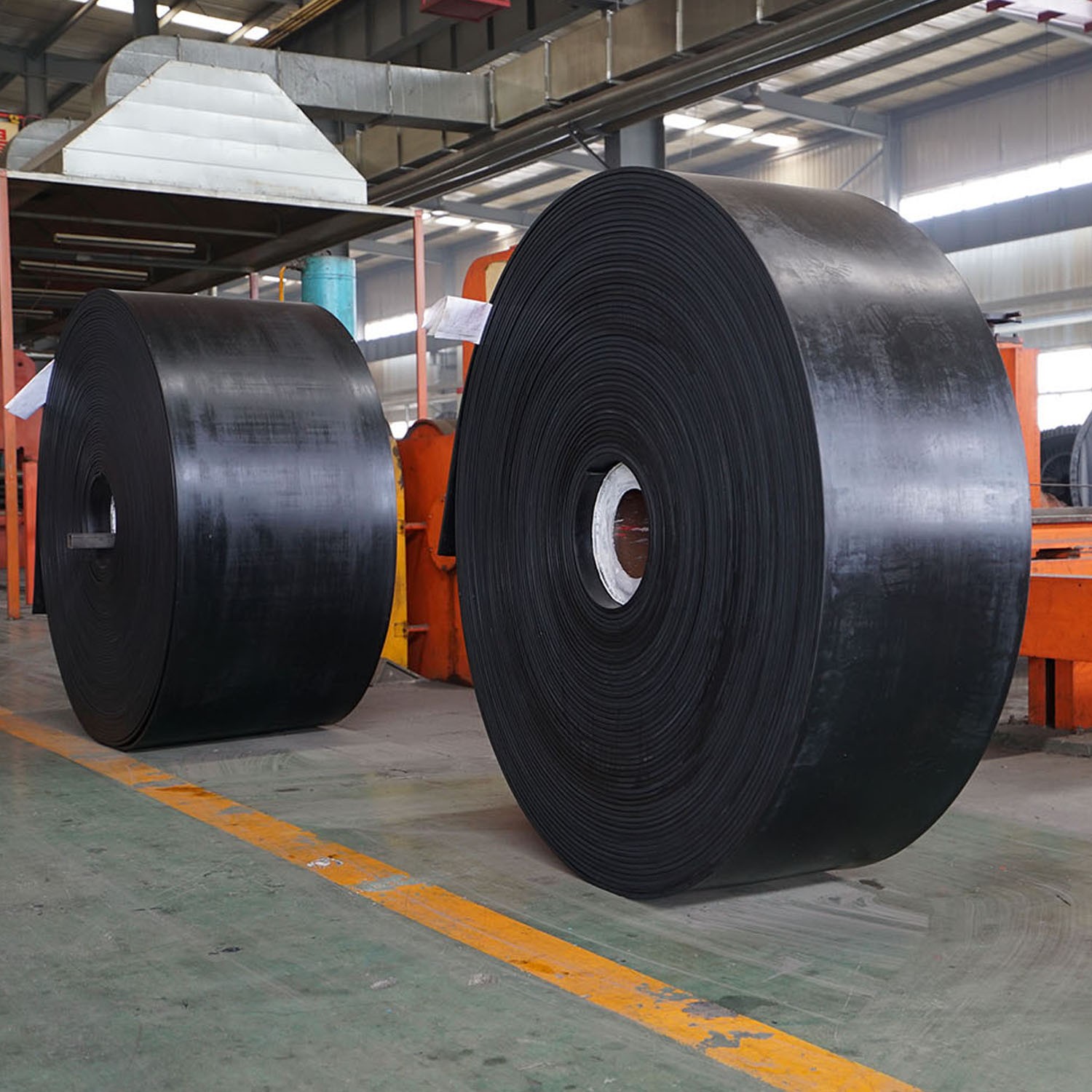
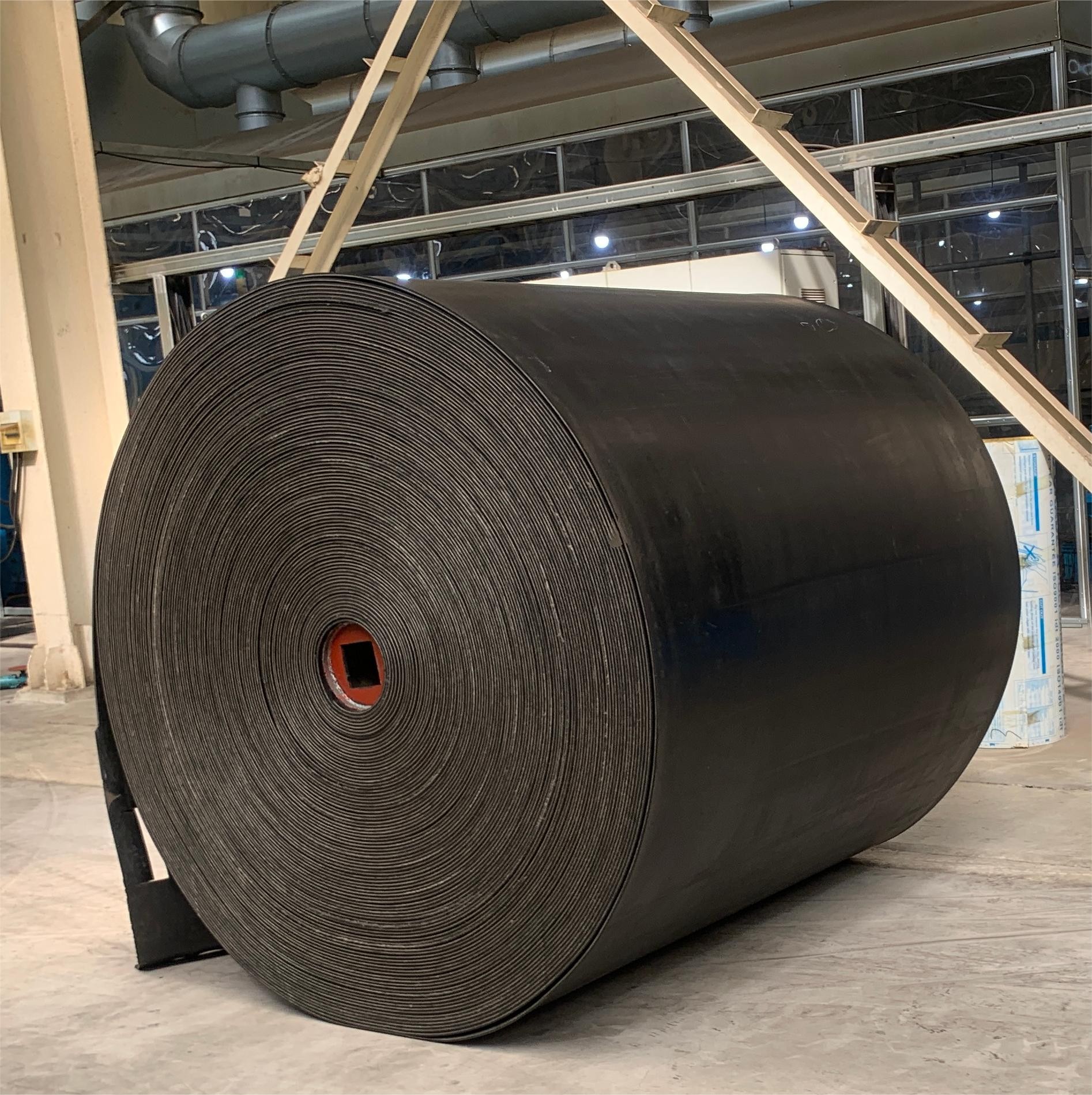
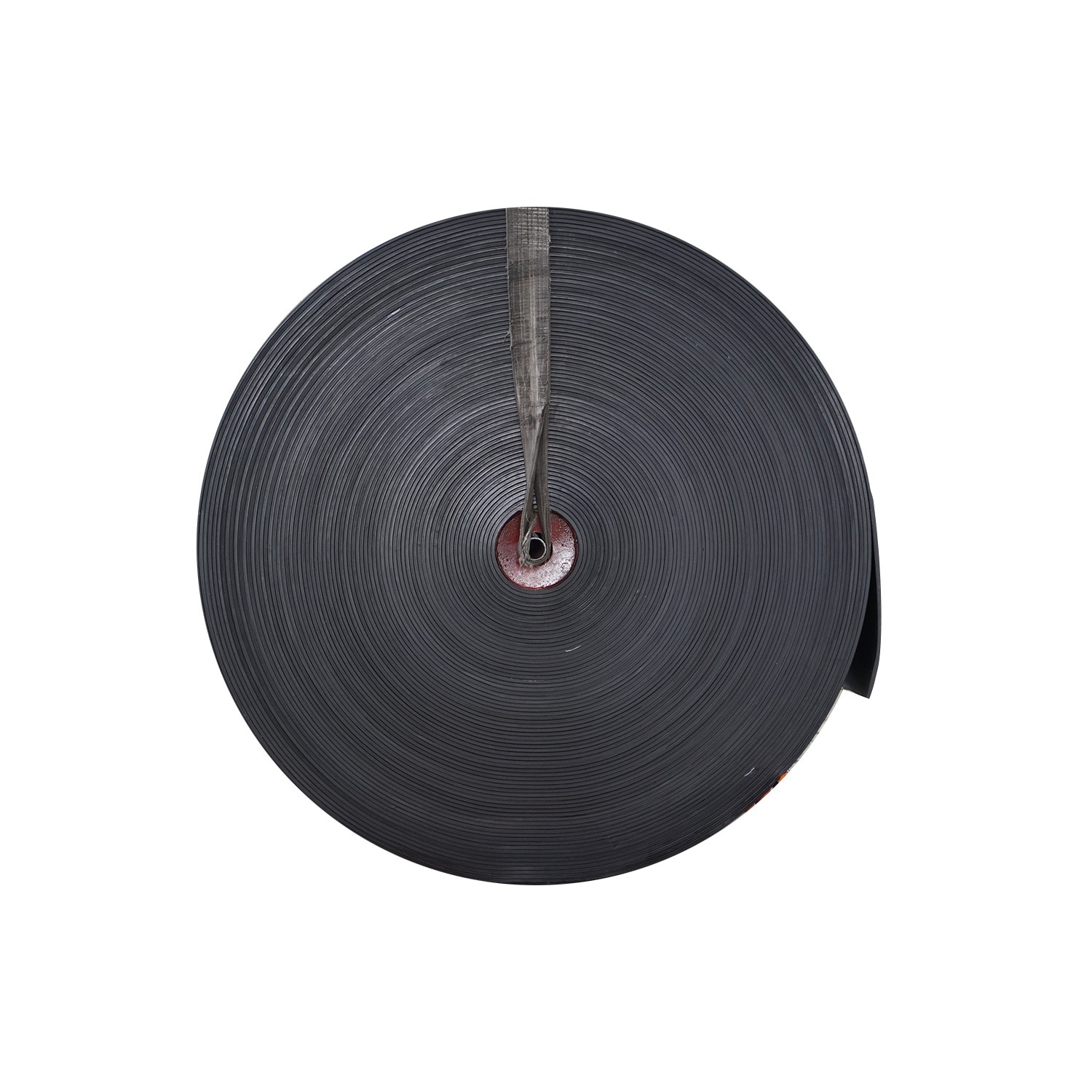
The cover layer is made of a special oil-resistant rubber formula, which has excellent resistance to various vegetable and animal oils, mineral oils, fuel oils, lubricating oils, and chemical oils. This effectively prevents the penetration and erosion of oily substances, maintaining the physical and mechanical properties and service life of the rubber.
High Strength and Wear Resistance:
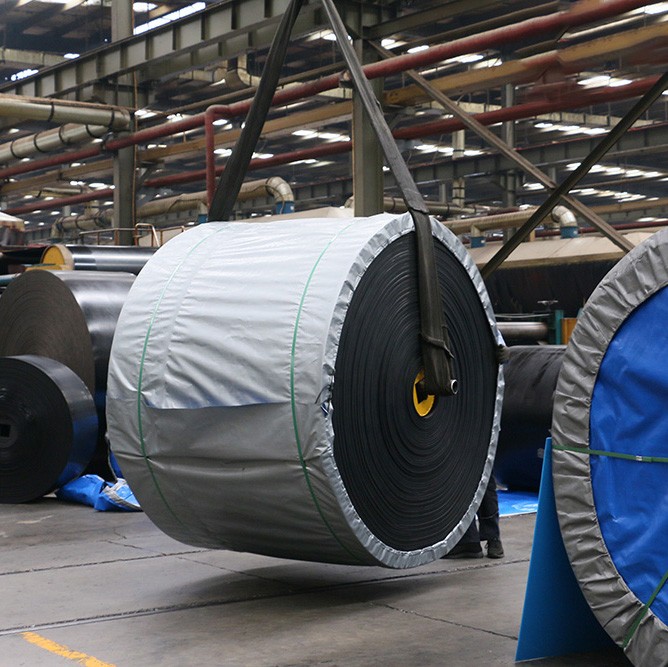
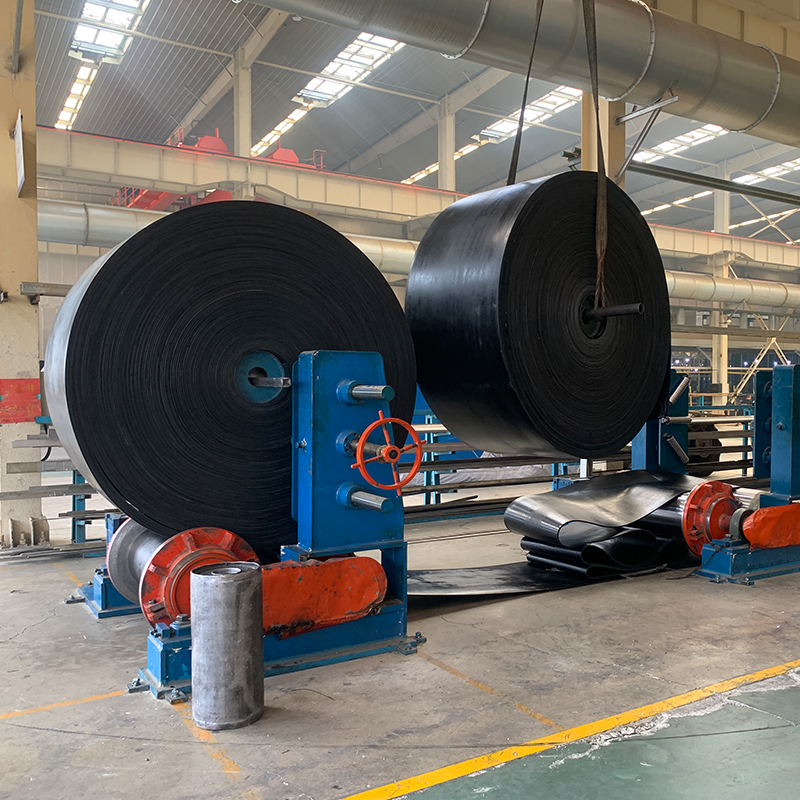
The carcass material is selected from high-strength canvas (such as cotton canvas, polyester-cotton canvas, nylon canvas, or EP canvas), ensuring that the belt body has excellent tensile strength and impact resistance. It can withstand heavy loads and high-speed operating conditions, and also has good wear resistance to adapt to various complex working conditions.
Excellent Anti-Slip Performance:
The specially formulated oil-resistant rubber cover layer has a high surface friction coefficient. Even in oily environments, it can maintain good anti-slip performance, effectively preventing material slippage during transportation and improving transportation efficiency and safety.
Low Swelling Rate and Dimensional Stability:
The oil-resistant rubber has excellent dimensional stability. After being immersed in oily media, the swelling rate is extremely low, and it is not easily deformed, ensuring the stable operation of the conveyor belt and the reliability of the joints.
Good Troughability and Elasticity:
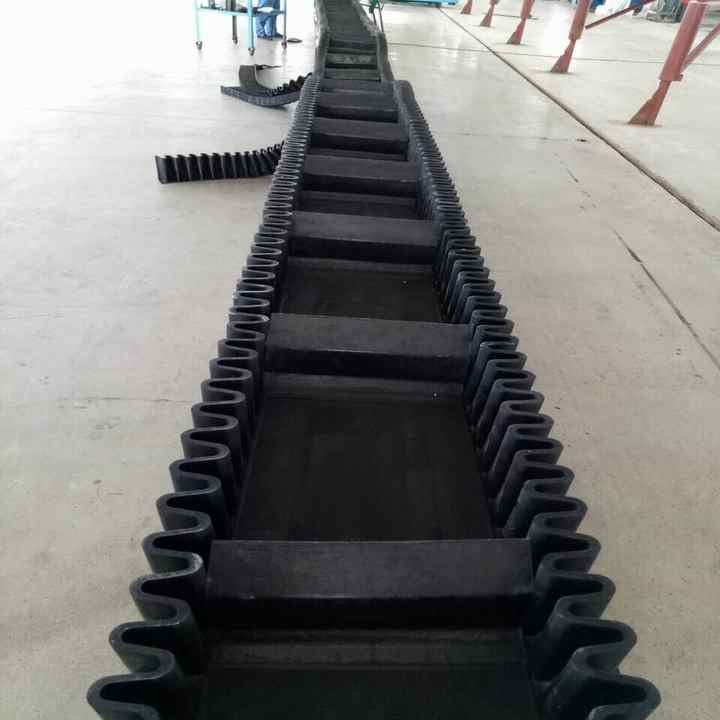
The belt body is soft and has good troughability, making it easy to form material troughs, increase material loading capacity, and effectively prevent material spillage. At the same time, the conveyor belt has good elasticity, which can buffer impacts and reduce operating noise.
Long Service Life and Low Maintenance Costs:
Due to the use of rubber materials with excellent oil resistance and high-strength carcass materials, the service life of oil-resistant conveyor belts is greatly extended, reducing replacement frequency and lowering maintenance costs and downtime.
Product Applications
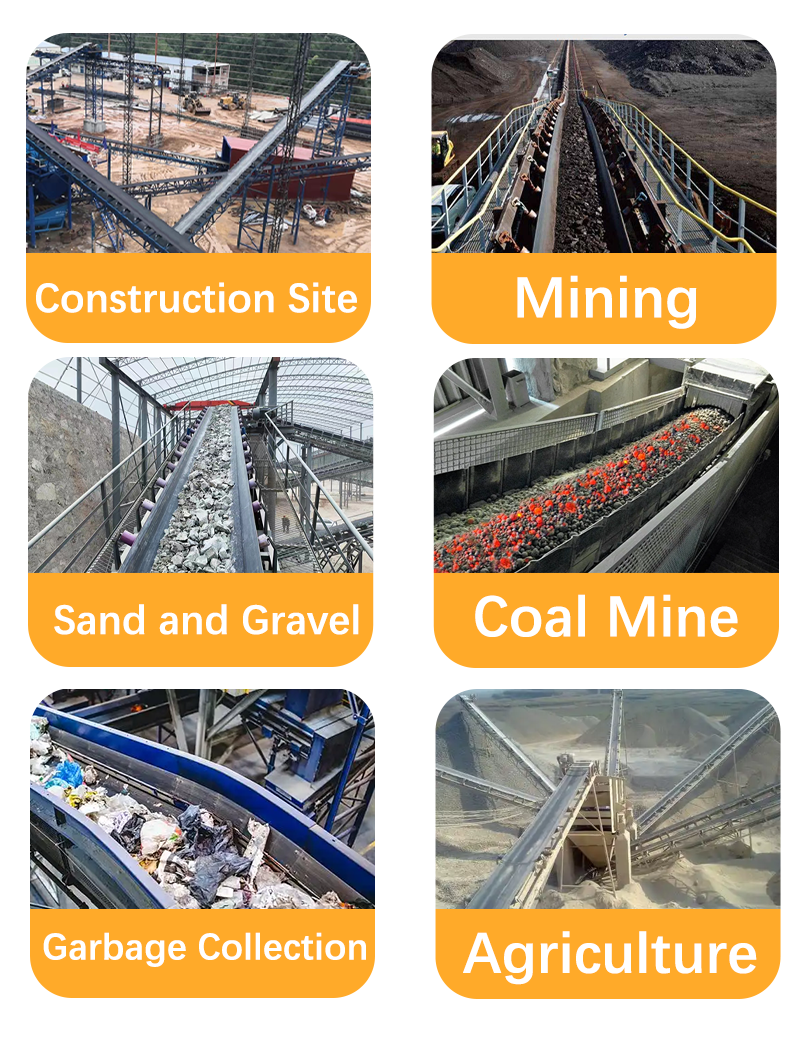
Oil resistant conveyor belts are widely used in the following scenarios involving the conveyance of oily materials:
Food Processing Industry:
Conveying oil crops (such as soybeans, peanuts, rapeseed, etc.), oily foods (such as fried foods, biscuits, candies, etc.), and scraps from food processing.
Ports and Terminals:
Conveying bulk materials such as coal, ore, and grain that are contaminated with fuel or lubricating oil spills.
Recycling Industry:
Conveying recycled materials such as waste plastics, waste rubber, and waste metals, which may have various oil stains on their surfaces.
Agriculture Sector:
Conveying oily crops such as oil palm fruit and tiger nuts, as well as agricultural products that may be contaminated with oil during the use of agricultural machinery.
Industrial and Mining Enterprises:
Conveying materials such as coal, coke, and ore, which may come into contact with lubricating oil, fuel oil, and other oily substances during mining, transportation, and processing.
Foundry Industry:
Conveying molding sand, castings, etc., which may contain oily substances such as release agents.
Fertilizer Industry:
Conveying some fertilizer raw materials or finished products that may contain oily additives.
Other Material Conveying Scenarios Involving Oil Contamination:
For example, metal shavings containing cutting fluid, parts containing lubricants, and other industrial materials that may come into contact with oily substances.
Product Specifications (Models and Technical Parameters)
| Model | Oil Resistance Grade (Volume Swelling Rate) | Applicable Oil Types | Cover Material | Carcass Material | Width (mm) | Thickness (mm) |
| Y1 | ≤ +15% | Vegetable and Animal Oils | Oil Resistant Nitrile Rubber | Cotton Canvas/NN/EP Canvas | 300-2000 | 6-30 |
| Y2 | ≤ +20% | Mineral Oils (such as Engine Oil, Hydraulic Oil, etc.) | Oil Resistant Neoprene Rubber/Nitrile Rubber | Cotton Canvas/NN/EP Canvas | 300-2000 | 6-30 |
| Y3 | ≤ +25% | Fuel Oils (such as Gasoline, Diesel, etc.) and Mixed Oils | Oil Resistant Neoprene Rubber/Nitrile Rubber | NN/EP Canvas | 300-2000 | 8-30 |
| Y4 | ≤ +30% | Special Oils or Oil Mixtures, Complex Working Conditions, Uncertain Oil Types | Special Oil Resistant Rubber | NN/EP Canvas/Steel Wire Rope | 300-2000 | 10-50 |
| YY | Special Customization | Customized for specific oil types or extreme working conditions, stronger oil resistance can be customized, such as high-temperature oil resistance, corrosion-resistant oil, etc. | Special Composite Oil Resistant Rubber | Special Canvas/Steel Wire Rope | 300-2000 | 10-50 |
Note:
The above specifications are common specifications; special specifications can be customized according to customer needs.
Parameters such as bandwidth, thickness, and oil resistance grade can be flexibly selected according to actual working conditions.
Endless conveyor belts and various joint methods are available to meet different installation requirements.
Carcass material NN represents nylon canvas, and EP canvas represents polyester canvas.
Select the Appropriate Oil Resistance Grade:
Choose the appropriate oil resistance grade of conveyor belt based on the actual type of oil in the conveyed material, the degree of oil contamination, and working conditions. This ensures optimal performance and cost-effectiveness.
Avoid Overload Operation:
Although oil resistant conveyor belts have high strength, avoid long-term overload operation. Overloading can accelerate wear and aging of the conveyor belt, affecting its service life.
Regularly Clean Oil Stains:
While oil resistant conveyor belts have a certain degree of oil resistance, long-term accumulation of oil stains can still have adverse effects. It is recommended to regularly clean oil stains from the conveyor belt surface to maintain cleanliness and extend service life.
Avoid Sharp Object Scratches:
During transportation and use, avoid sharp objects scratching the conveyor belt surface. Damage to the rubber cover layer can reduce the oil resistance and service life of the conveyor belt.
Joint Method:
For oil resistant conveyor belts, it is recommended to use hot vulcanization joints or cold adhesive joints to ensure joint strength and sealing, preventing oil from penetrating the joint area. Mechanical joints may be less reliable in oil-contaminated environments.
Regular Inspection and Maintenance:
Regularly inspect the wear condition of the conveyor belt, joint condition, and operating status. Promptly remove adhering materials and perform necessary maintenance and replacements to extend service life and ensure safe production. Pay special attention to checking whether the edges of the conveyor belt show cracks or delamination due to oil corrosion.