• Fabric Conveyor Belt
  • Fabric Conveyor Belt
  • Fabric Conveyor Belt
  • Fabric Conveyor Belt
  • video

Fabric Conveyor Belt

  • WBS
  • China
  • 1-20days
  • 100,000 meters/month
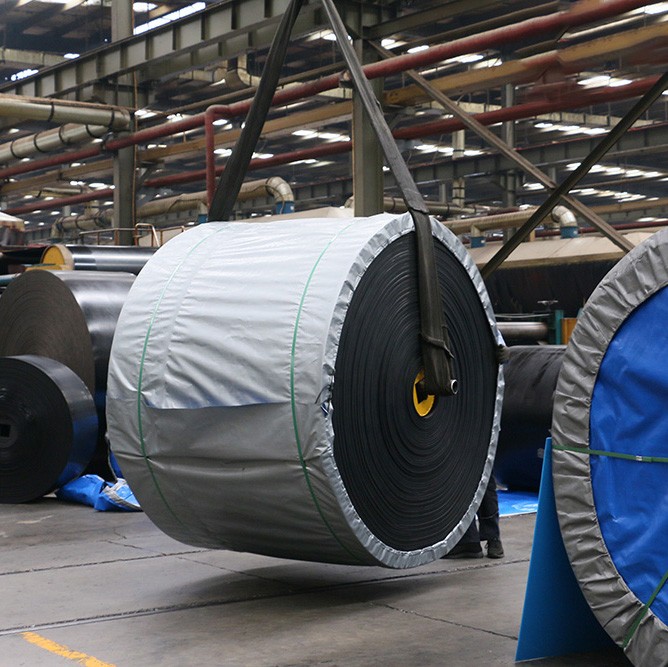
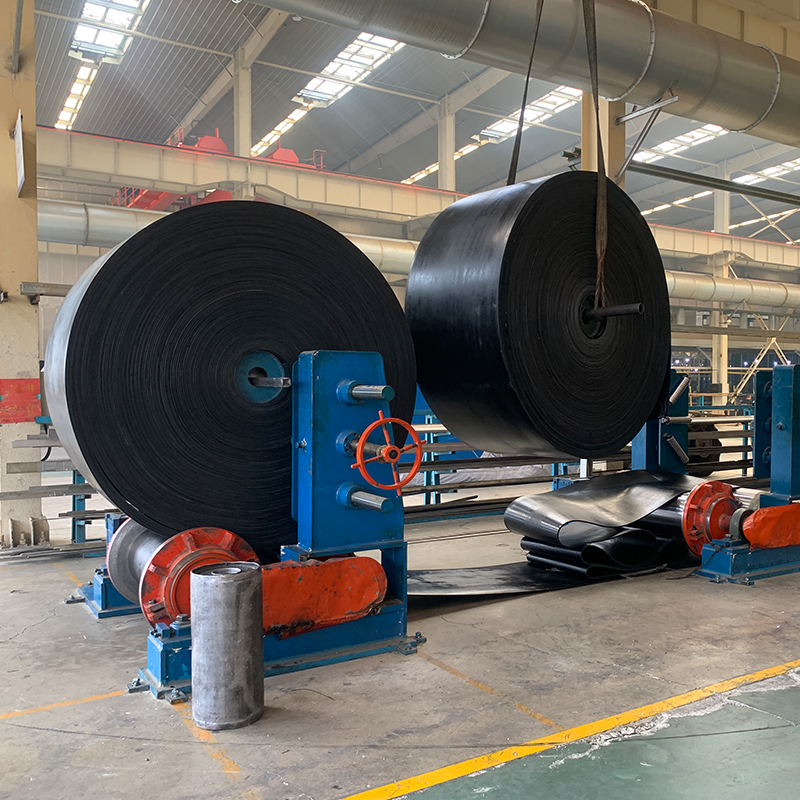
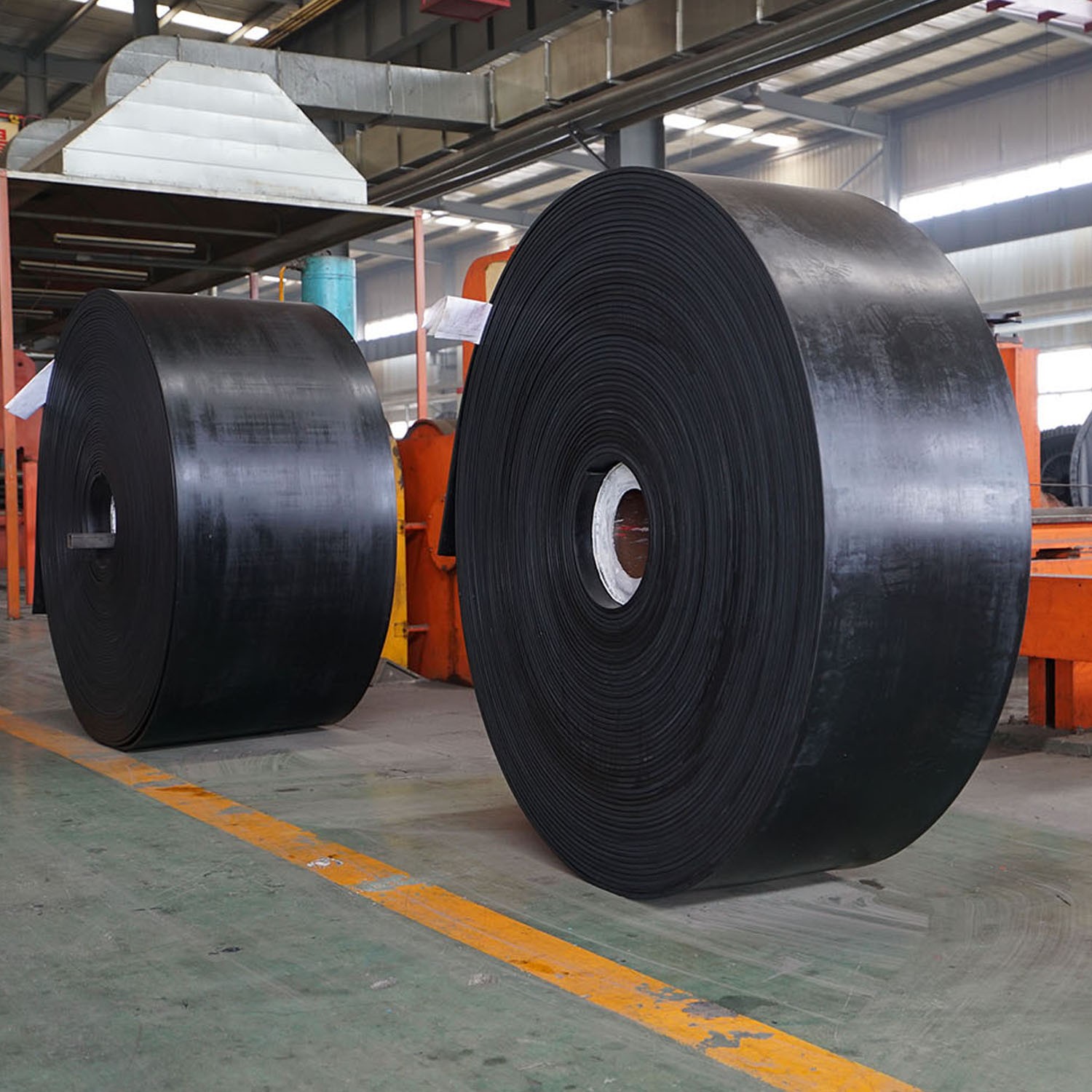
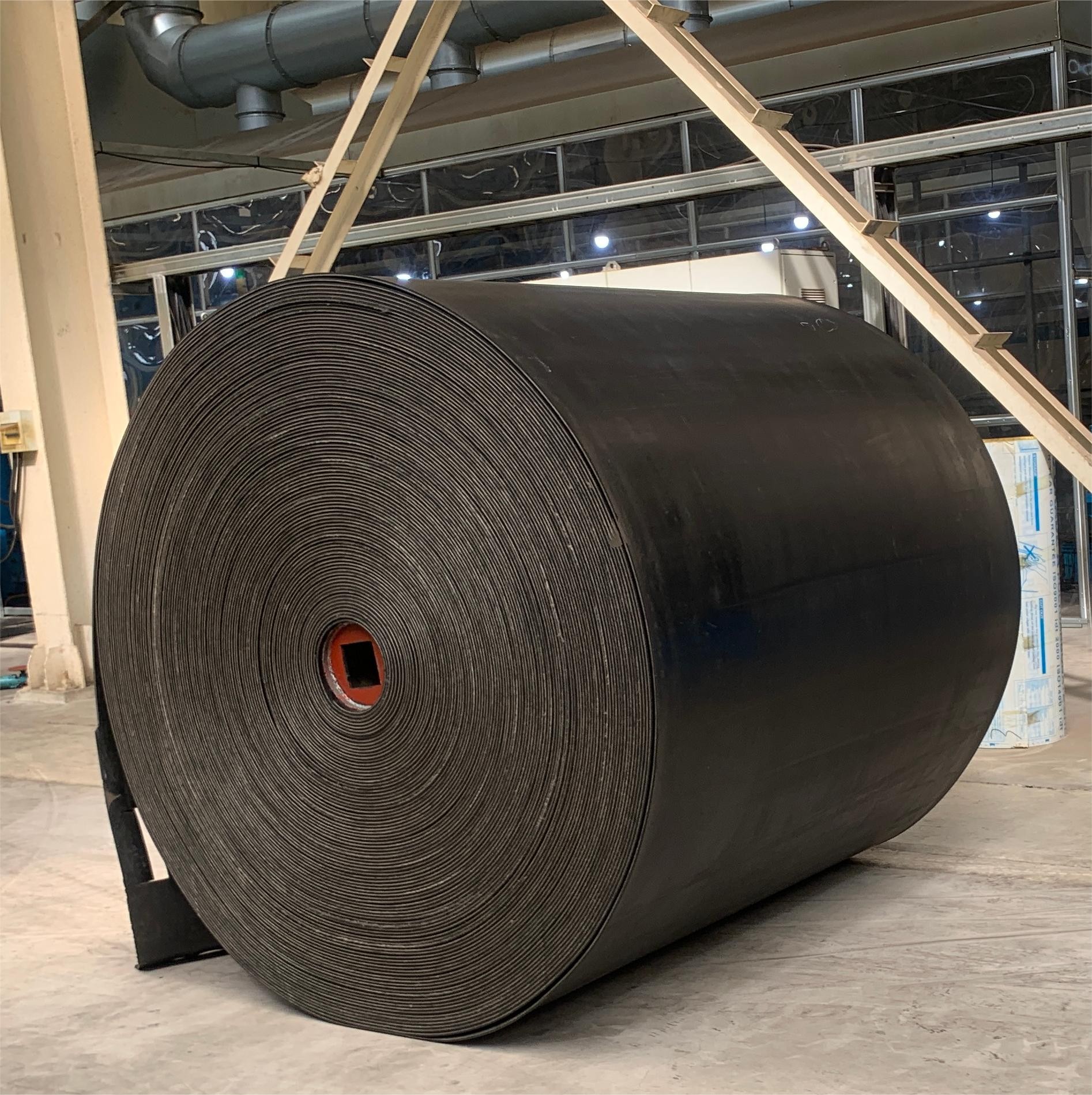
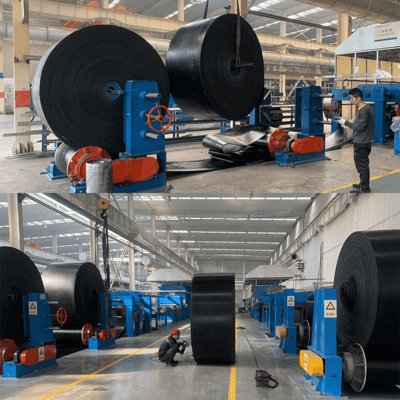
Fabric conveyor belts are general-purpose conveyor belts and are the most widely used type of conveyor belt. It uses fiber fabric as the belt core and rubber as the covering layer. It has excellent characteristis such as high strength, good elasticity, good troughability, and flex resistance. Fabric conveyor belts have strong adaptability and can transport various materials such as blocks, granules, and powders. They are widely used in industrial and mining enterprises, ports, metallurgy, building materials, chemical industry, electric power, grain and other industries. They are indispensable key components in material conveying systems.

Product Overview

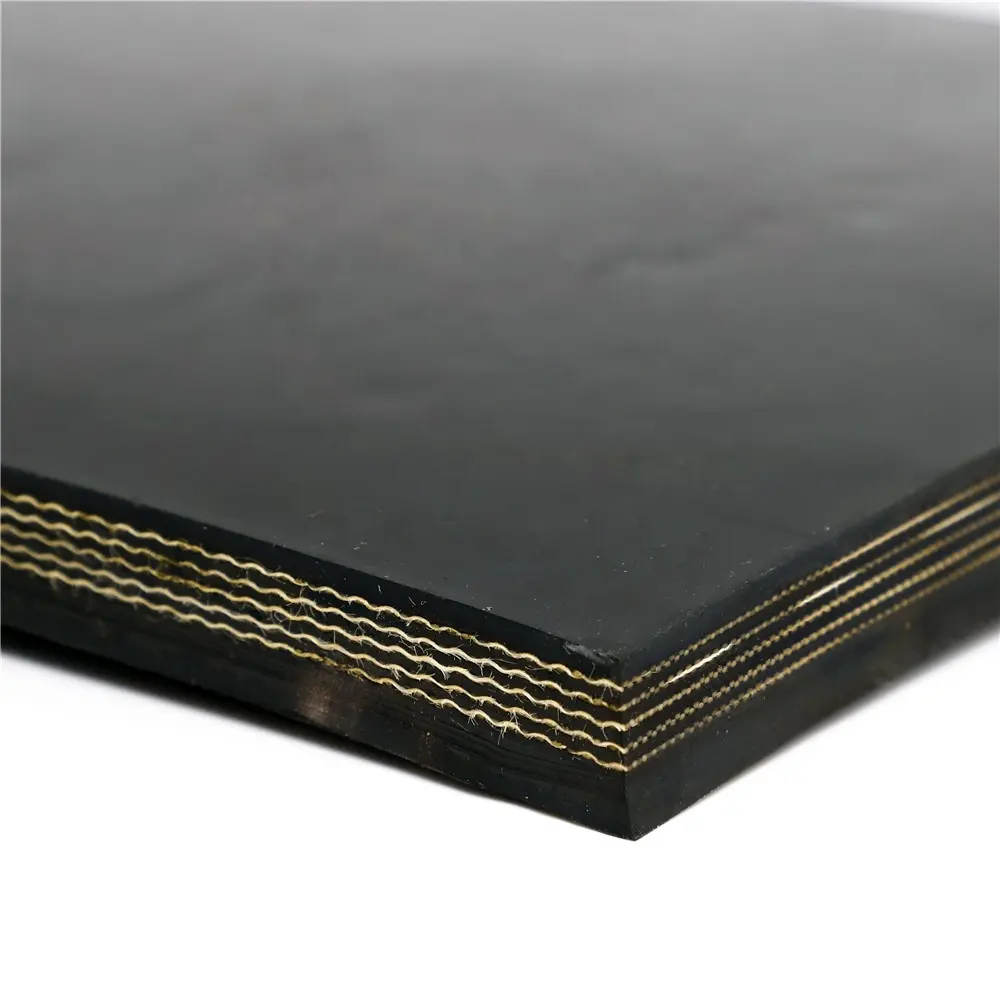
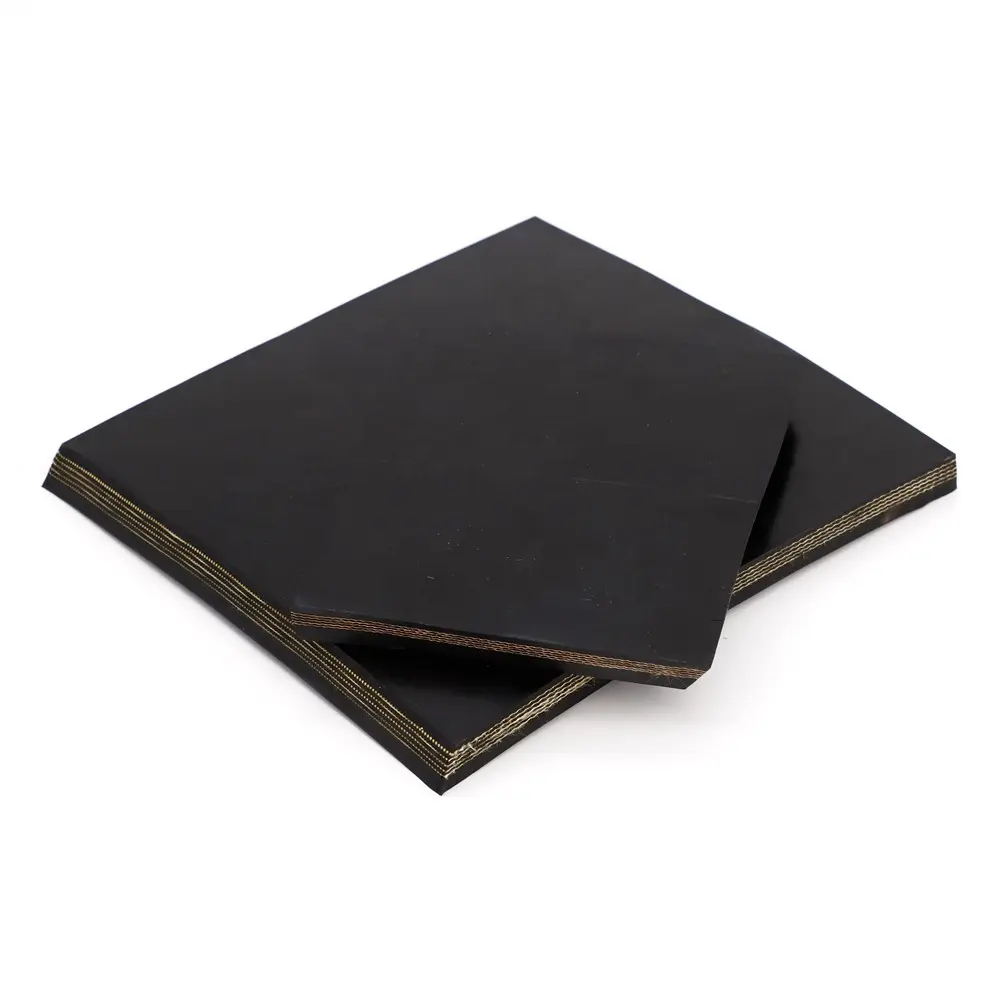
Fabric conveyor belts are general-purpose conveyor belts and are the most widely used type of conveyor belt. It uses fiber fabric as the belt core and rubber as the covering layer. It has excellent characteristis such as high strength, good elasticity, good troughability, and flex resistance. 

Fabric conveyor belts have strong adaptability and can transport various materials such as blocks, granules, and powders. They are widely used in industrial and mining enterprises, ports, metallurgy, building materials, chemical industry, electric power, grain and other industries. They are indispensable key components in material conveying systems.

Fabric Conveyor Belt

Features and Advantages

  • Versatile and highly adaptable:

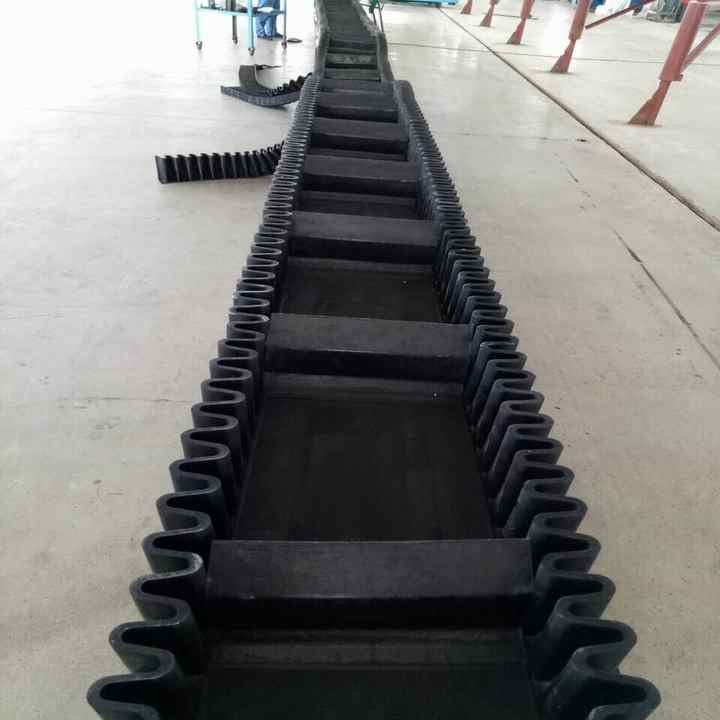
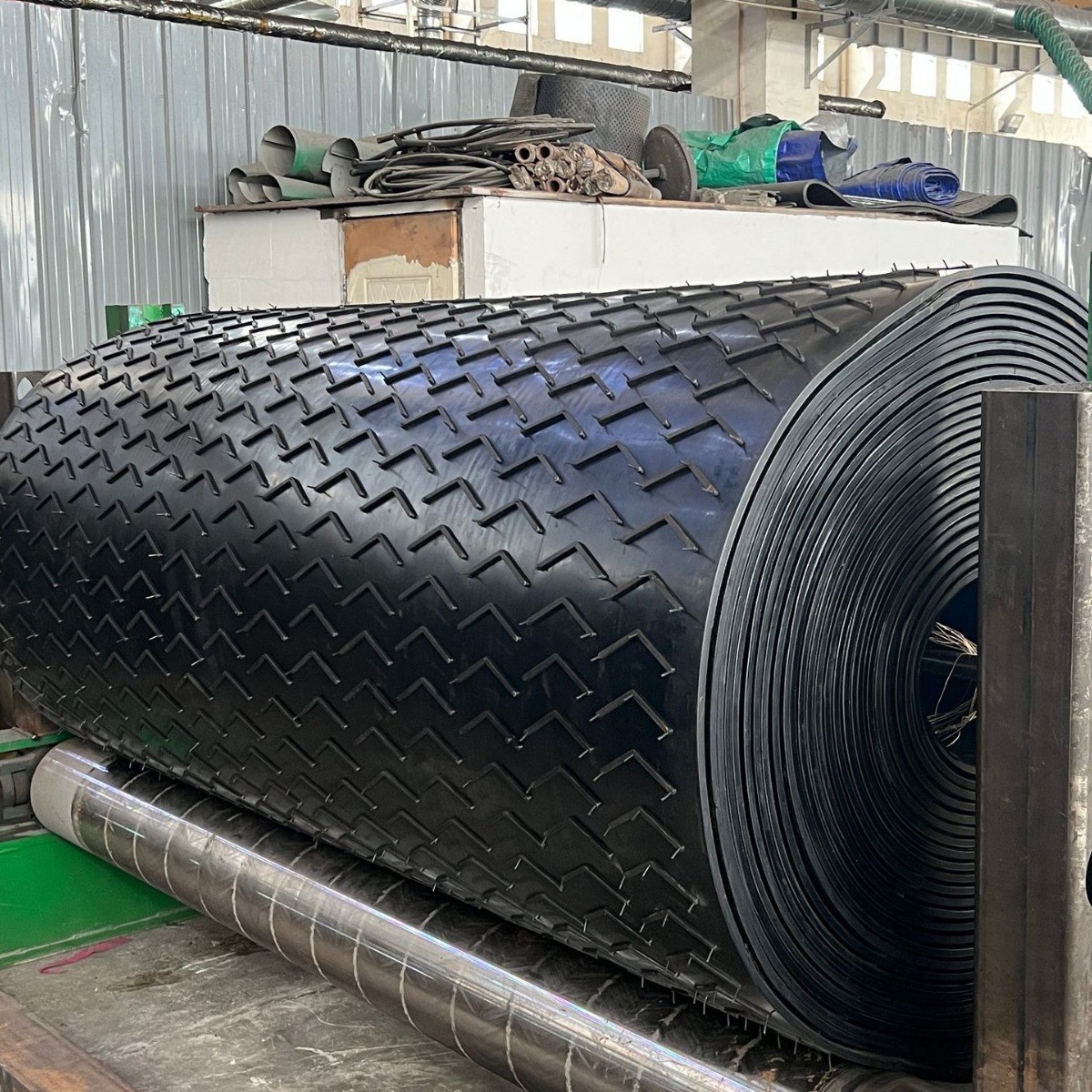
    Fabric conveyor belts can meet the material transportation needs under various working conditions, whether it is horizontal, inclined or vertical transportation, it can be competent. Widely used in various industries, it is the first choice for material transportation.

  • High strength and large conveying capacity:

    High-strength fiber fabric is used as the belt core, which gives the conveyor belt strong carrying capacity and tensile strength, and can realize large-volume and long-distance material transportation.

  • Good elasticity and stable operation:

    The fabric belt core has good elasticity, which makes the conveyor belt have good expansion and contraction during operation, excellent buffering performance, effectively reduces operating noise, and ensures stable transportation.

  • Good troughability and strong adaptability:

    The fabric conveyor belt has good softness and is easy to form a trough, which can adapt to various groove angles of the idler to ensure that the material does not leak during transportation, and is especially suitable for the transportation of bulk materials.

  • Flexibility and long service life:

    The fabric belt core has excellent flexural resistance and can withstand frequent bending and stretching. It is not easy to fatigue and fracture, which greatly prolongs the service life of the conveyor belt.

  • Energy saving and consumption reduction, good economy:

    The fabric conveyor belt has low running resistance and low energy consumption, which can reduce the operating cost of enterprises and has good economic benefits.

  • Simple maintenance and easy maintenance:

    The fabric conveyor belt has a relatively simple structure, and maintenance is convenient, reducing maintenance costs and downtime.

  • Variety and flexible choice:

    According to different use environments and conveyed materials, fabric conveyor belts can be divided into various types, such as ordinary type, heat-resistant type, cold-resistant type, acid and alkali resistant type, oil-resistant type, flame-retardant type, etc. Users can choose flexibly according to actual needs.


Product Structure


Fabric conveyor belts are mainly composed of the following two parts:

  • Fabric Core:

    This is the skeleton of the fabric conveyor belt, providing strength and load-bearing capacity. Common fabric core materials include:

    • Cotton Canvas (CC):

      Low price, easy to bond, but low strength, poor corrosion and mildew resistance, and is gradually being phased out.

    • Polyester-Cotton Canvas (TC):

      Strength, elasticity, wear resistance, and heat resistance are better than cotton canvas, the price is moderate, and it is widely used.

    • Nylon Canvas (NN):

      High strength, good elasticity, impact resistance, excellent flexural resistance, long service life, and is the first choice for high-strength, long-distance, and heavy-load transportation.

    • EP Canvas (EP):

      High strength, high modulus, good heat resistance, small wet strength loss, good mildew resistance, and low energy consumption. It is suitable for medium and long-distance, high-speed, and heavy-load transportation.
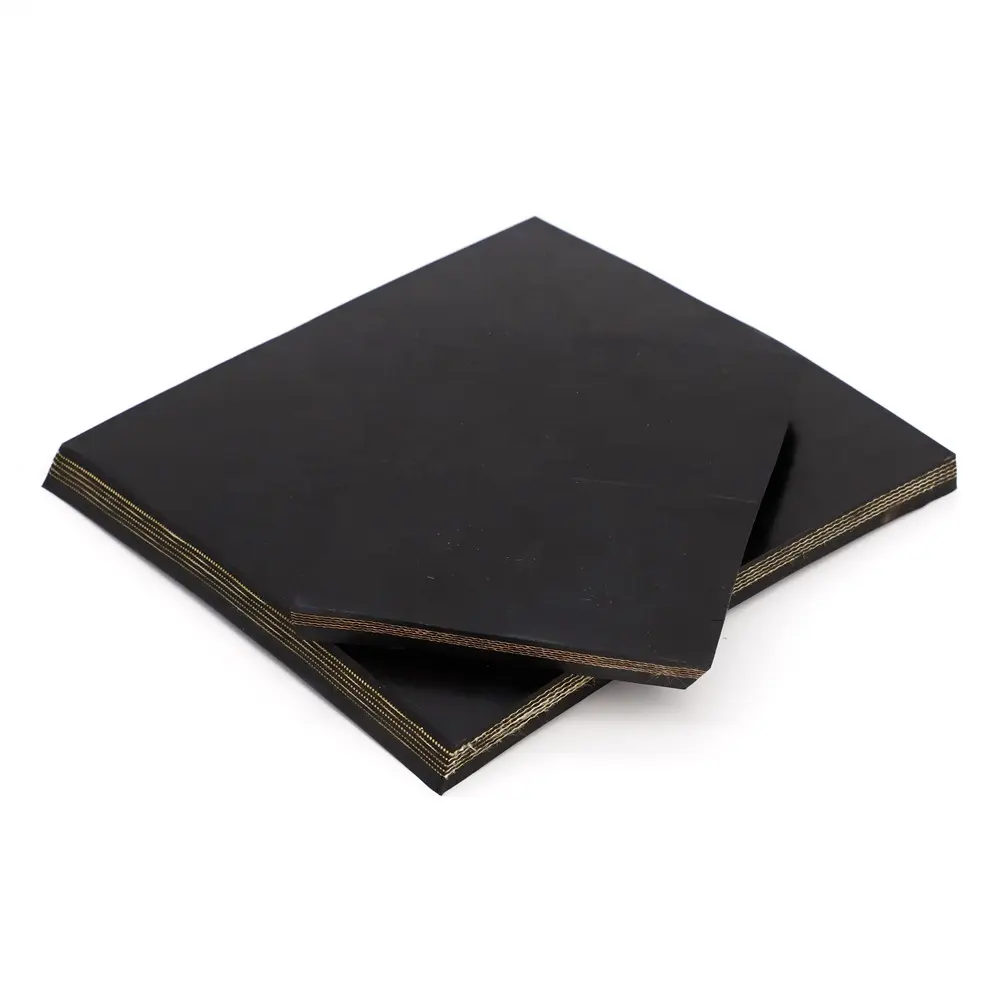
      conveyor belt

      Rubber Cover:

      This is the rubber layer wrapped around the outer layer of the belt core, which protects the belt core and directly contacts the conveyed material. The performance of the covering rubber directly affects the service performance and life of the conveyor belt. According to different use environments and conveyed materials, the covering rubber can be selected from:

    • Natural Rubber (NR):

      Good elasticity, good wear resistance, and high strength, but poor oil resistance, heat resistance, and aging resistance. It is suitable for general working conditions.

    • Styrene-Butadiene Rubber (SBR):

      Wear resistance, heat resistance, and aging resistance are better than natural rubber, and the price is lower. It is widely used.

    • Butadiene Rubber (BR):

      Good elasticity, good cold resistance, and good wear resistance. It is often used in combination with natural rubber or styrene-butadiene rubber to improve the comprehensive performance of the conveyor belt.

    • Ethylene-Propylene Rubber (EPM/EPDM):

      Excellent heat resistance, aging resistance, ozone resistance, and chemical corrosion resistance. It is suitable for high temperature, open air, and corrosive environments.

    • Chloroprene Rubber (CR):

      Good oil resistance, heat resistance, aging resistance, and flame resistance. It is suitable for occasions with oil stains and flame retardant requirements.

    • Nitrile Rubber (NBR):

      Excellent oil resistance. It is suitable for occasions where oil-containing materials are transported.
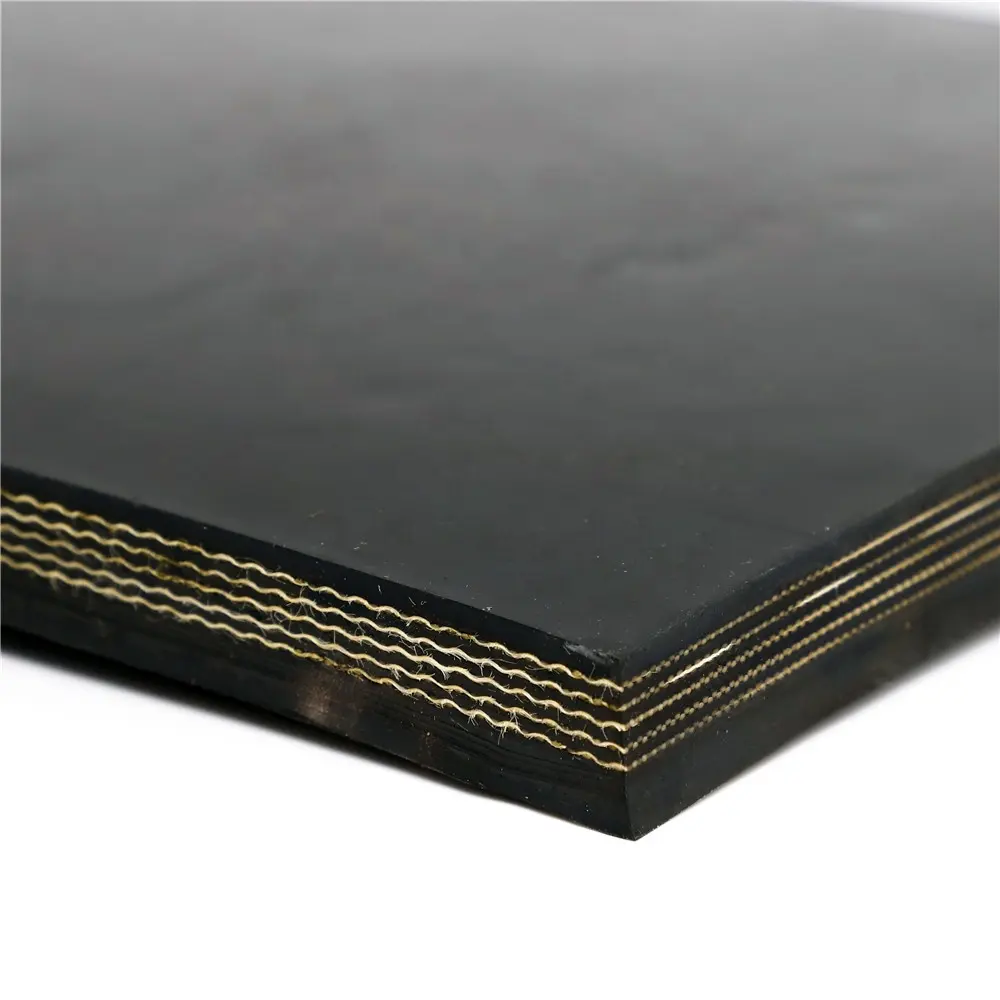

      EP conveyor belt


Product Types

According to the core material and cover layer performance, fabric conveyor belts can be divided into various types, common ones include:

  • Ordinary Fabric Conveyor Belt:

    The cover layer is generally made of natural rubber or styrene-butadiene rubber, and the belt core can be made of cotton canvas, polyester-cotton canvas or nylon canvas. It is suitable for general material transportation under normal temperature, dry, and non-special corrosive environments.

  • Heat-Resistant Fabric Conveyor Belt:

    The cover layer is made of heat-resistant rubber (such as styrene-butadiene rubber, ethylene-propylene rubber, etc.), and the belt core is usually made of EP canvas. It is suitable for conveying high-temperature materials, such as hot coke, hot ore powder, hot cement clinker, etc. According to different heat resistance temperatures, it can be divided into T1 type (≤100℃), T2 type (≤125℃), T3 type (≤150℃), etc.

  • Cold-Resistant Fabric Conveyor Belt:

    The cover layer is made of cold-resistant rubber (such as natural rubber, butadiene rubber, etc.), and the belt core can be made of cotton canvas, polyester-cotton canvas or nylon canvas. It is suitable for material transportation in cold regions or low-temperature environments to prevent the conveyor belt from being brittle at low temperatures. According to different cold resistance temperatures, it can be divided into C1 type (-20℃), C2 type (-45℃), etc.

  • Acid and Alkali Resistant Fabric Conveyor Belt:

    The cover layer is made of acid and alkali resistant rubber (such as chloroprene rubber, ethylene-propylene rubber, etc.), and the belt core is usually made of EP canvas. It is suitable for conveying acid and alkaline materials or working in acid and alkali corrosive environments.

  • Oil-Resistant Fabric Conveyor Belt:

    The cover layer is made of oil-resistant rubber (such as nitrile rubber, etc.), and the belt core can be made of nylon canvas or EP canvas. It is suitable for conveying oil-containing materials or working in oily environments.

  • Flame-Retardant Fabric Conveyor Belt:

    Both the cover layer and the belt core are made of flame-retardant materials, which have flame-retardant and anti-static properties. They are suitable for occasions with flame-retardant requirements such as underground coal mines, metallurgy, and chemical industries. According to different flame-retardant properties, it can be divided into ordinary flame-retardant type, flame-resistant type, etc.

Application Fields

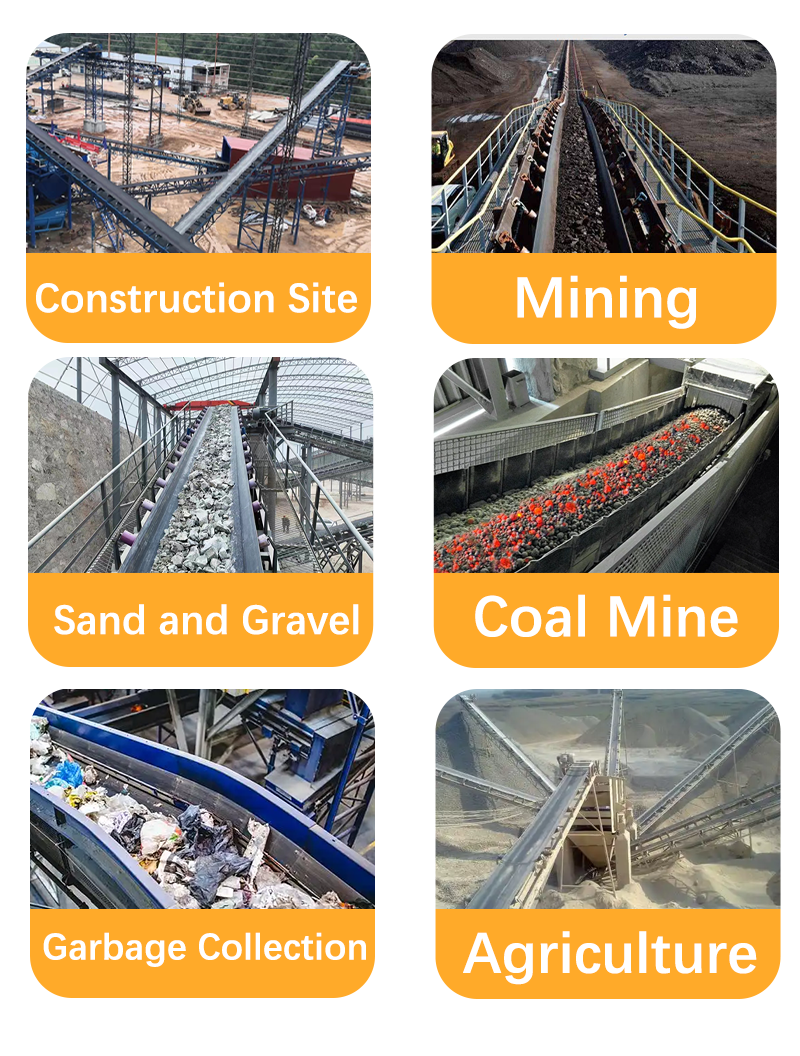
Due to their excellent performance and wide applicability, fabric conveyor belts are widely used in the following industries and fields:

  • Coal Industry:

    Coal transportation in underground and surface coal mines, coal sorting and transportation in coal preparation plants, and coal conveying systems in power plants.

  • Power Industry:

    Coal conveying systems and ash and slag treatment systems in thermal power plants, and material conveying in hydropower stations.

  • Metallurgical Industry:

    Material transportation of ore, coke, sinter, pellets, steel slag, etc. in steel plants, and material transportation of ore, concentrate, slag, etc. in non-ferrous metal smelters.

  • Building Materials Industry:

    Transportation of cement raw materials, cement clinker, and finished cement products in cement plants, transportation of sand and gravel aggregates in sand and gravel plants, and transportation of raw materials and finished products in brick and tile factories.

  • Chemical Industry:

    Transportation of raw materials and finished products in fertilizer plants, and transportation of various chemical raw materials, intermediate products, and finished products in chemical plants.

  • Ports and Terminals:

    Loading, unloading and transportation of bulk cargo terminals such as coal, ore, and grain, and cargo transfer at container terminals.

  • Grain Industry:

    Grain storage, warehousing and transportation in grain depots, raw material and finished product transportation in feed mills, and raw material and finished product transportation in grain and oil processing plants.

  • Mining Industry:

    Ore transportation in open-pit and underground mines, and ore sorting and transportation in concentrators.

  • Light Industry:

    Transportation of wood chips and pulp in paper mills, transportation of cotton and fiber in textile mills, and transportation of raw materials and finished products in food factories.

  • Environmental Protection Industry:

    Garbage transportation in garbage disposal plants and sludge transportation in sewage treatment plants.

    Fabric Conveyor Belt


Technical Parameters (Examples)


ModelBelt Core MaterialCover Layer MaterialWidth (mm)Thickness (mm)Tensile Strength (N/mm)Applicable Temperature (°C)Main Uses
CC OrdinaryCotton CanvasNatural Rubber300-20006-2556-100-20 ~ +80General material transportation
TC OrdinaryPolyester-Cotton CanvasStyrene-Butadiene Rubber300-24006-30100-200-20 ~ +80General-purpose material transportation
NN OrdinaryNylon CanvasNatural Rubber300-24008-30200-400-20 ~ +80High-strength, long-distance transportation
EP OrdinaryEP CanvasStyrene-Butadiene Rubber300-24008-30300-630-20 ~ +80Medium and long-distance, heavy-load transportation
Heat-Resistant T1EP CanvasHeat-Resistant Rubber300-24008-30300-630≤100Transporting materials with temperature ≤100℃
Heat-Resistant T2EP CanvasHeat-Resistant Rubber300-24008-30300-630≤125Transporting materials with temperature ≤125℃
Heat-Resistant T3EP CanvasHeat-Resistant Rubber300-24008-30300-630≤150Transporting materials with temperature ≤150℃
Cold-Resistant C1Nylon CanvasCold-Resistant Rubber300-24008-30200-400≥-20Material transportation in cold regions or low-temperature environments
Cold-Resistant C2Nylon CanvasCold-Resistant Rubber300-24008-30200-400≥-45Material transportation in extremely cold regions or ultra-low temperature environments
Acid & Alkali ResistantEP CanvasAcid & Alkali Resistant Rubber300-24008-30300-630-20 ~ +80Transporting acid and alkaline materials or acid and alkali corrosive environments
Oil-ResistantNylon/EP CanvasOil-Resistant Rubber300-24008-30200-630-20 ~ +80Transporting oil-containing materials or oily environments
Flame-RetardantNylon/EP CanvasFlame-Retardant Rubber300-24008-30200-630-20 ~ +80Flame-retardant requirements in coal mines, metallurgy, chemical industries, etc.

The above parameters are for reference only, please consult our engineers for specific technical parameters.


Reasons to Choose Us


  • Full Category:

    We offer a full range of fabric conveyor belt products, covering various materials, types, and specifications to meet your one-stop purchasing needs.

  • Reliable Quality:

    We strictly implement international standards and industry norms, use high-quality raw materials and advanced production technology to ensure stable and reliable product quality.

  • Professional Customization:

    We have an experienced team of engineers who can provide personalized customization services according to your specific working conditions and special needs, and tailor the best conveying solution for you.

  • Technical Support:

    We provide comprehensive technical support, including selection guidance, installation and commissioning, maintenance, etc., to solve various problems you encounter during the use of conveyor belts.

  • Fast Delivery:

    We have advanced production equipment and an efficient production management system, with a short delivery cycle and fast response speed, to ensure the smooth progress of your production plan.

  • Perfect Service:

    We adhere to the principle of customer first and provide all-round services such as pre-sales consultation, sales tracking, and after-sales service, so that you can purchase without any worries.

conveyor belt


Get the latest price? We will reply as soon as possible (within 12 hours)