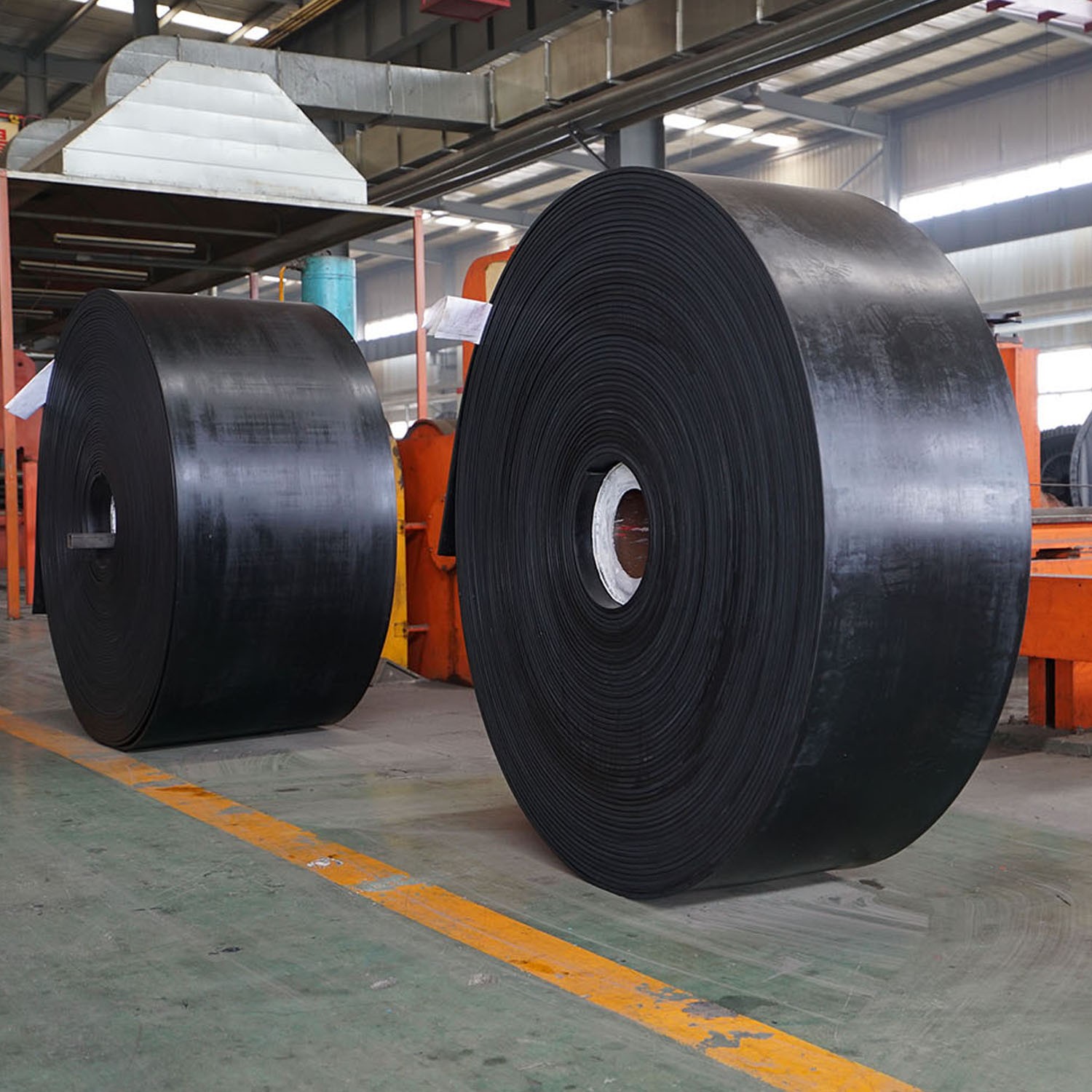
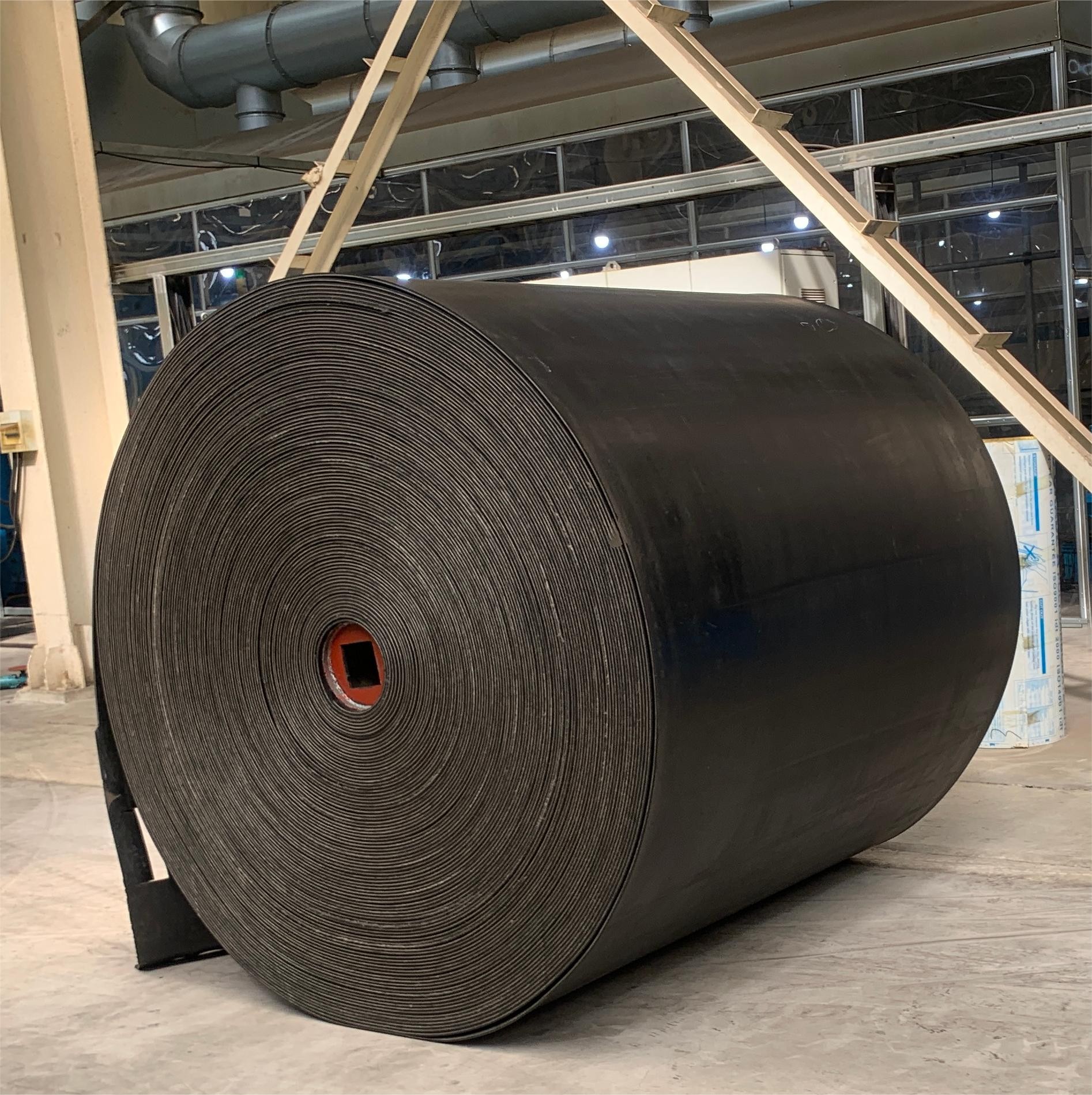
• Chevron Conveyor Belt
  • Chevron Conveyor Belt
  • Chevron Conveyor Belt
  • Chevron Conveyor Belt
  • Chevron Conveyor Belt
  • video

Chevron Conveyor Belt

  • WBS
  • China
  • 1-20days
  • 100,000 meters/month
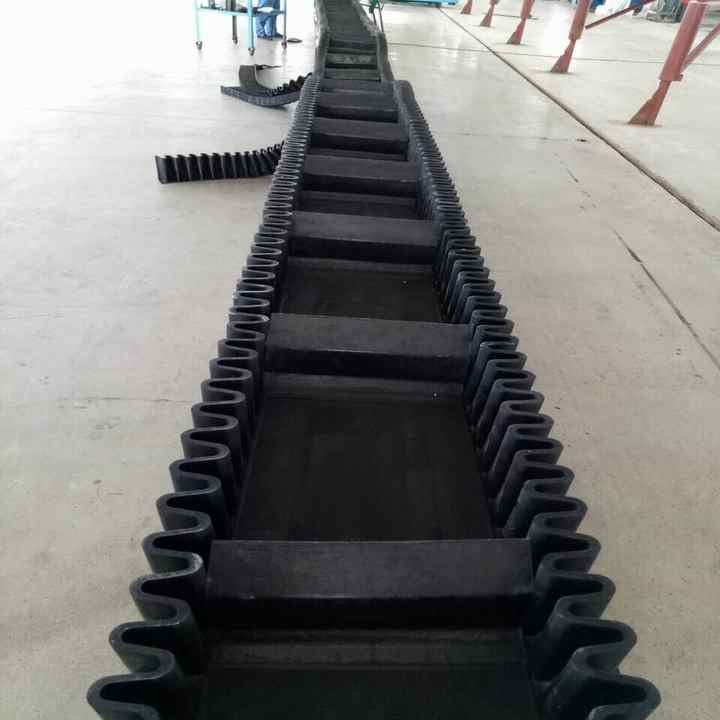
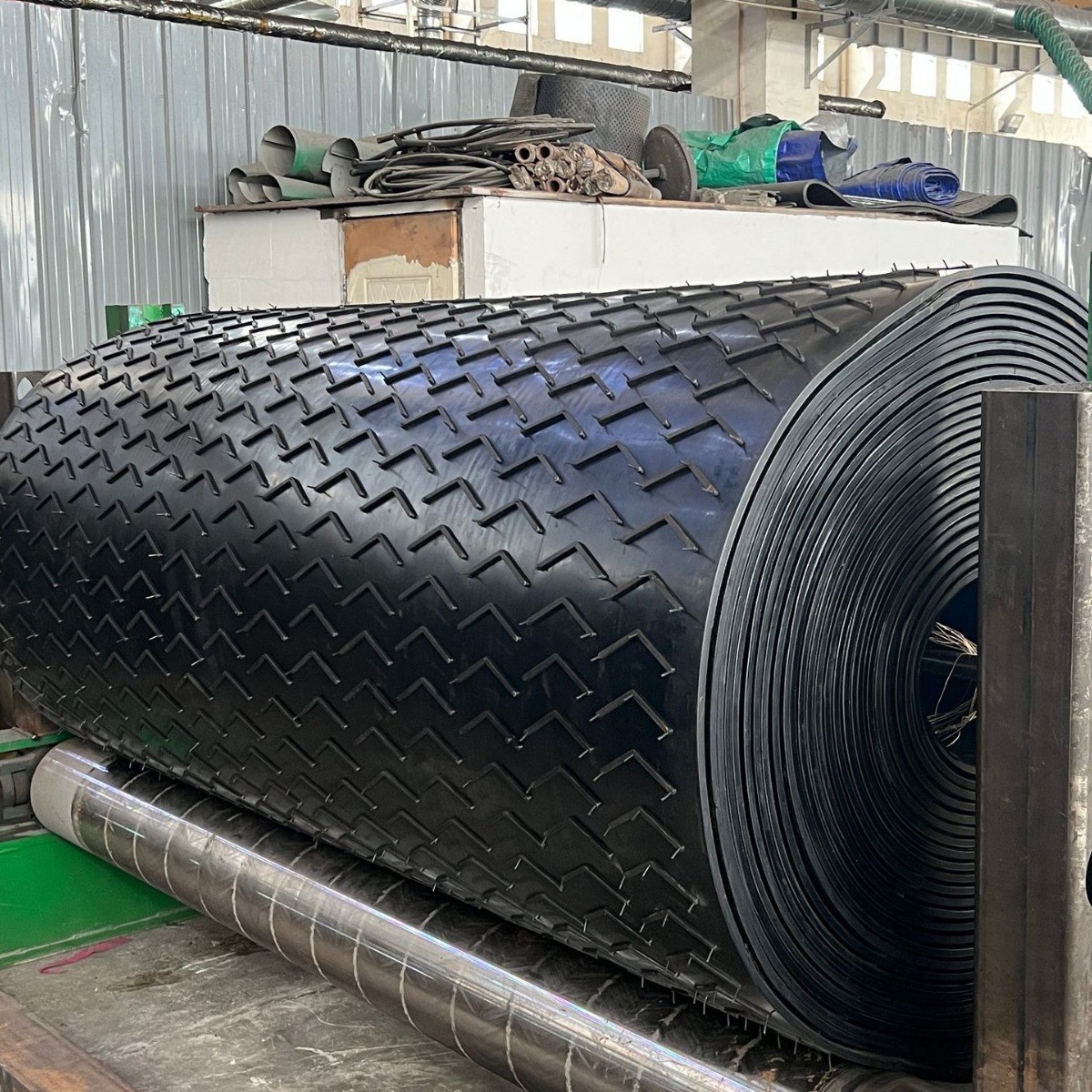
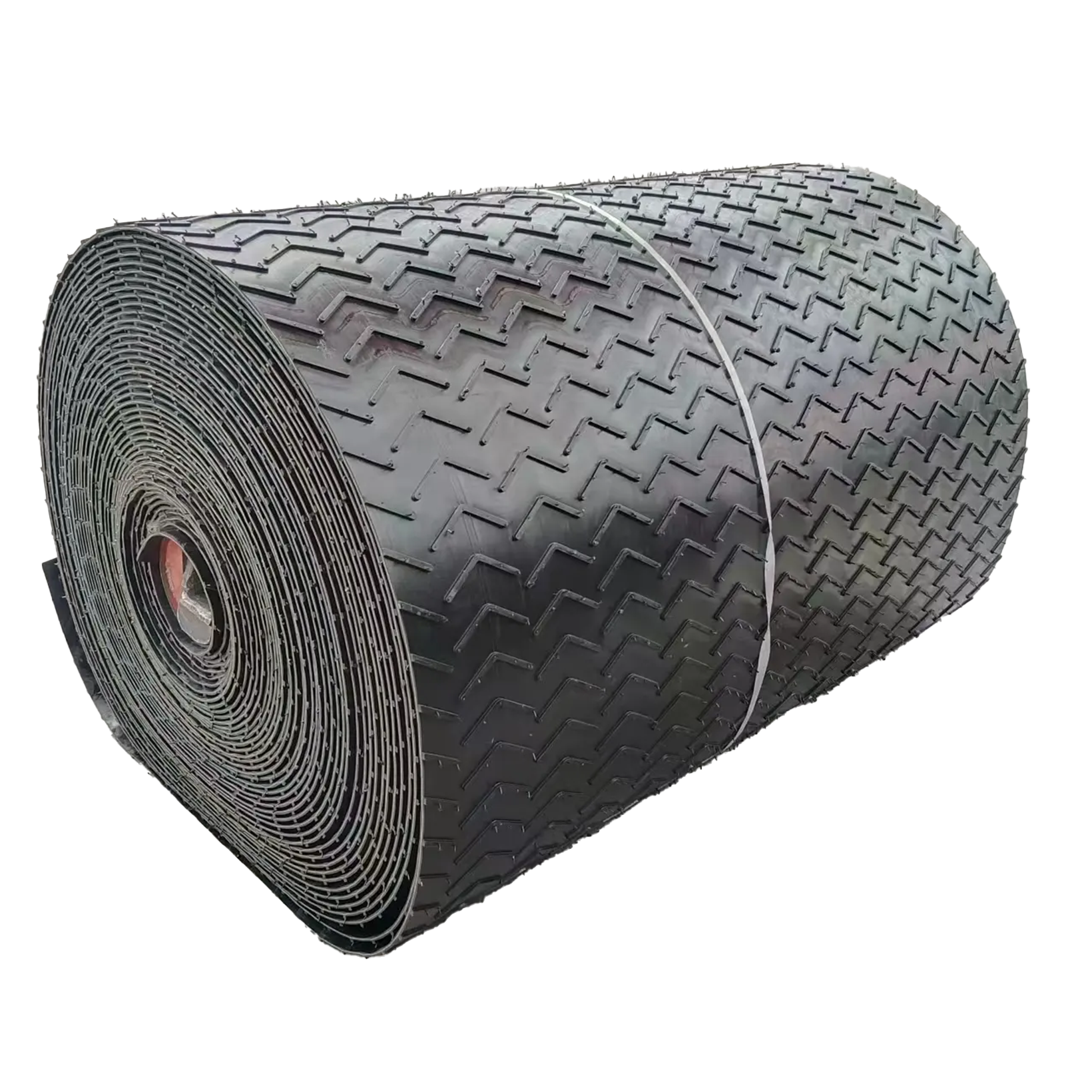
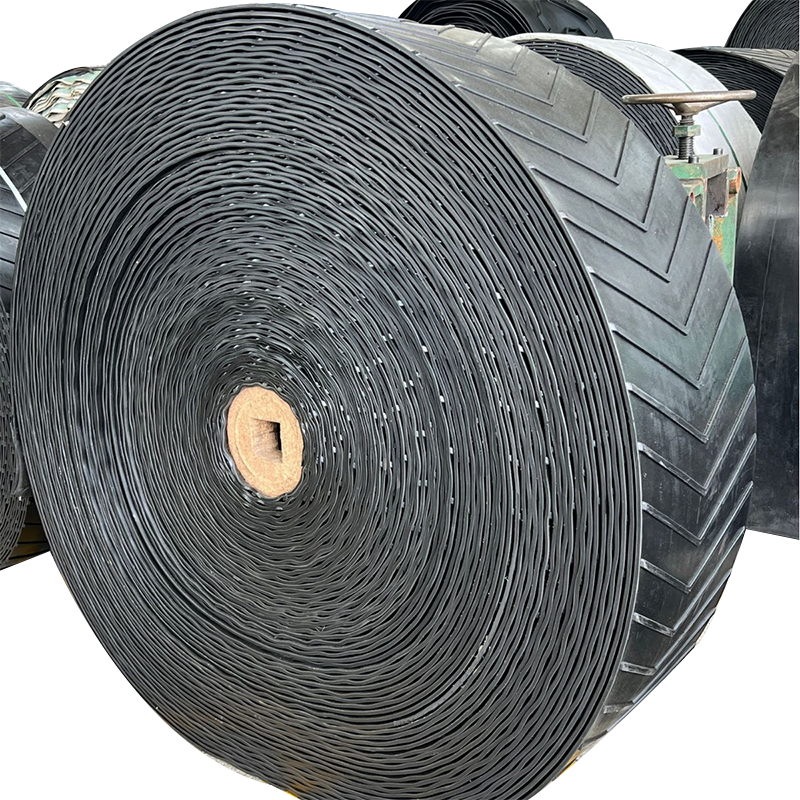
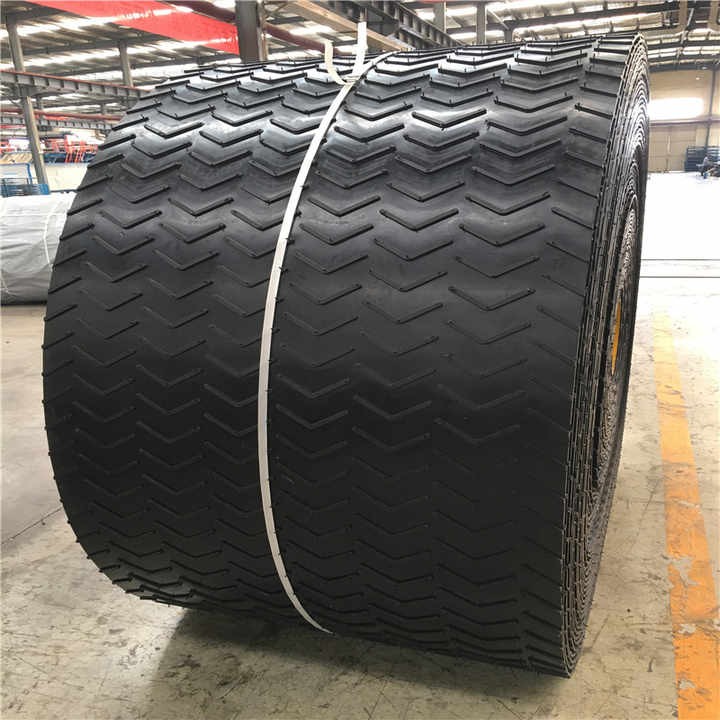
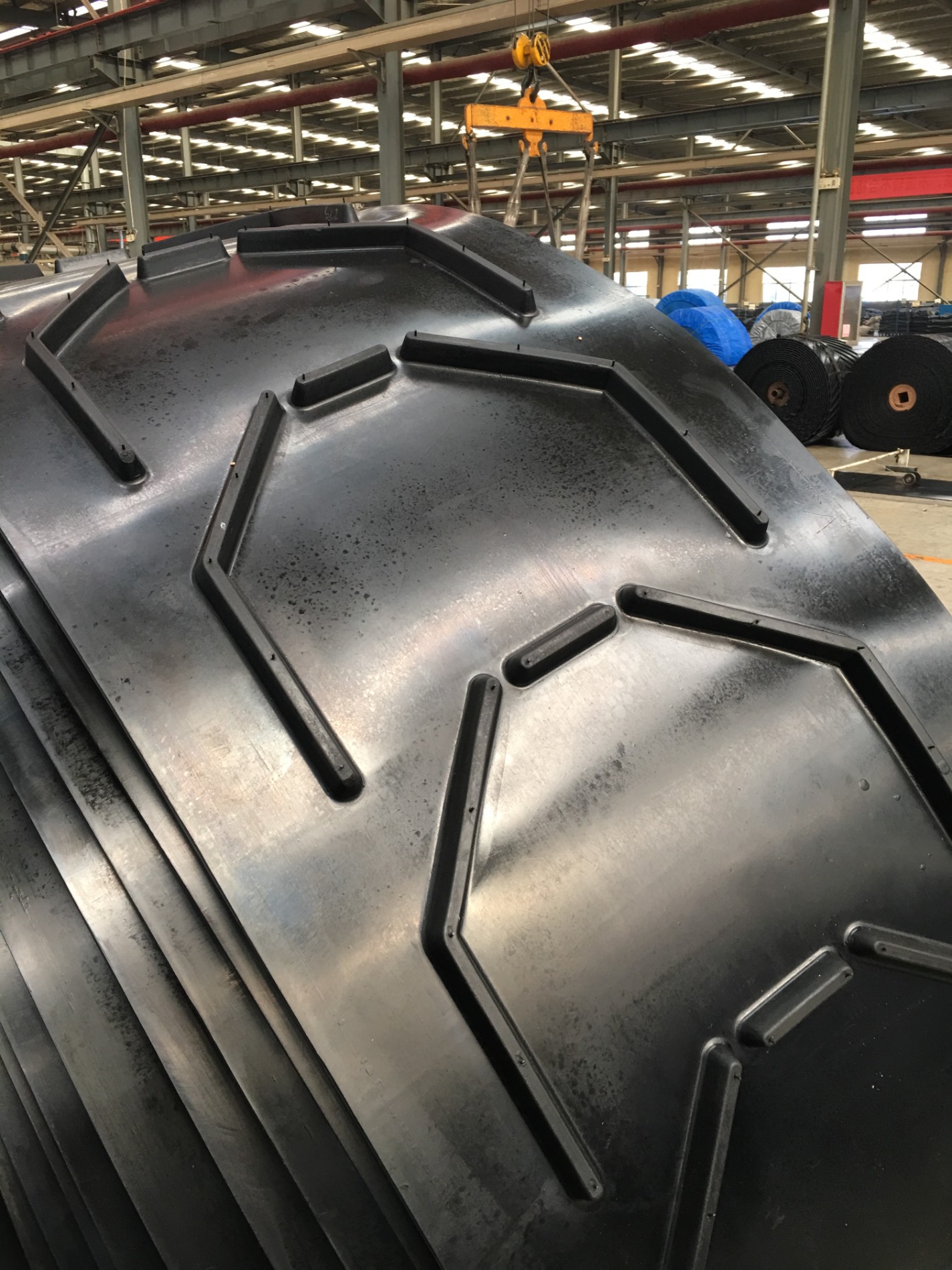
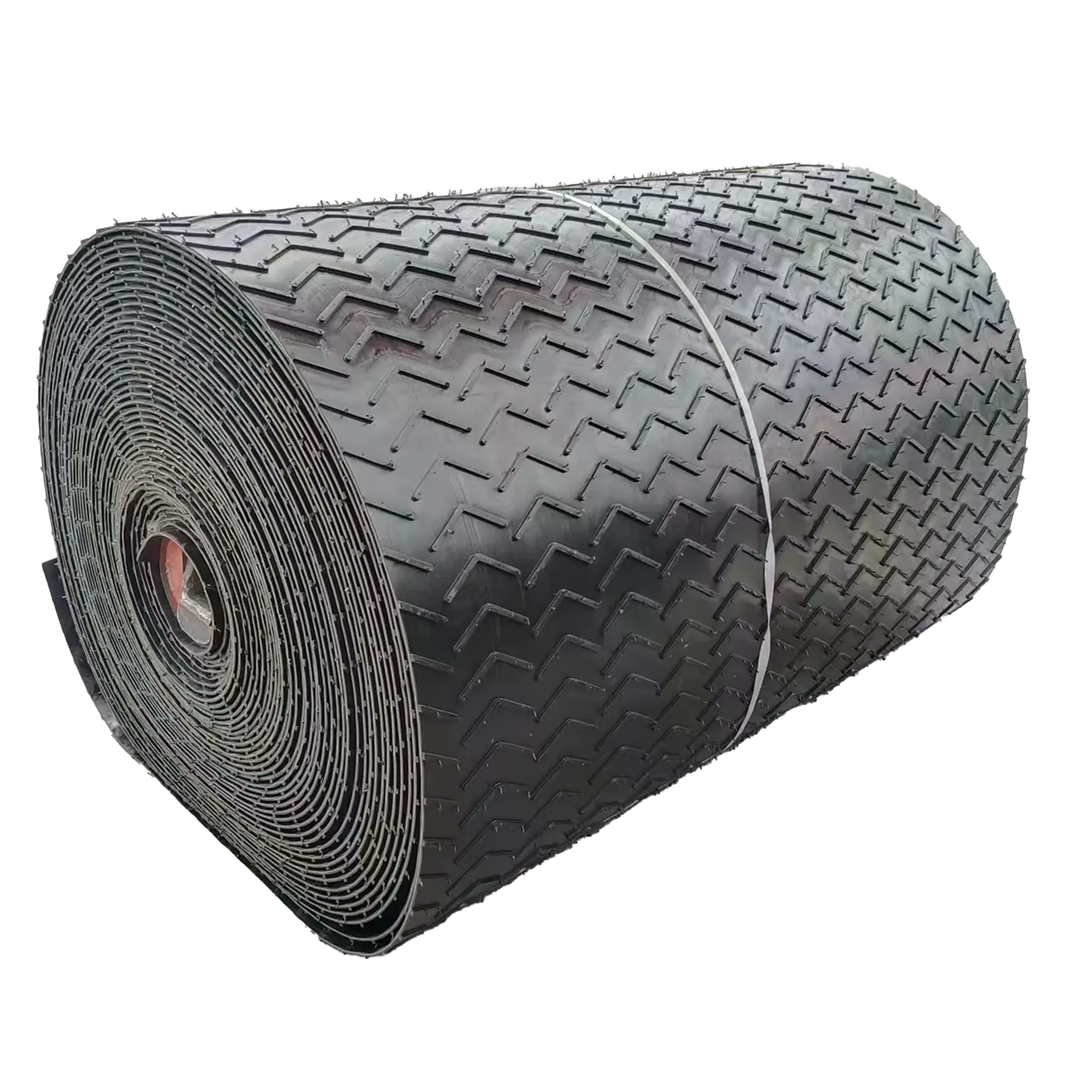
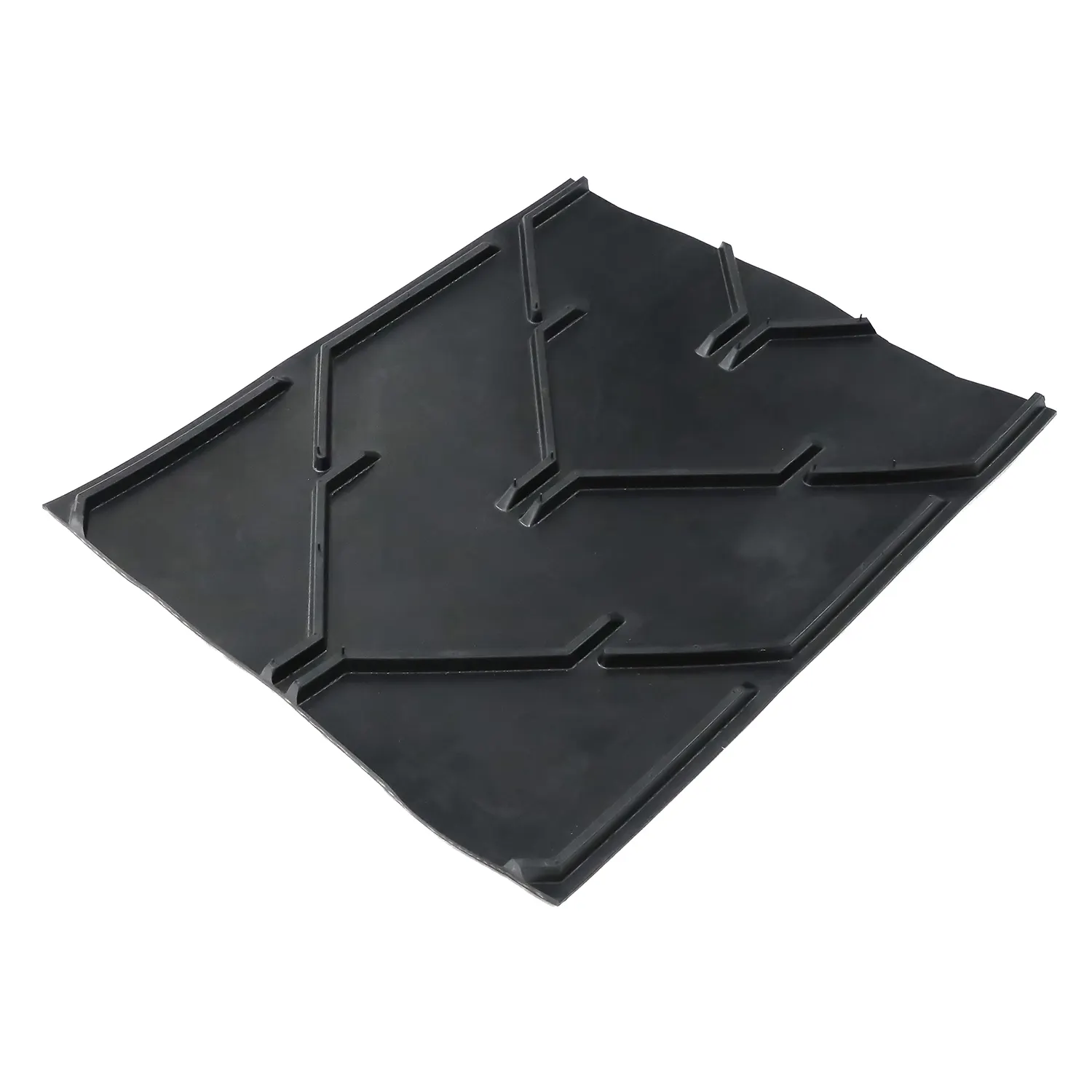
Chevron conveyor belts are a type of inclined conveyor belt with special patterns. 1 The belt surface has chevron or V-shaped patterns, and the pattern height is usually higher than the belt surface. 1 This unique design significantly improves the friction coefficient of the conveyor belt, increases the conveying inclination angle of materials, and effectively prevents materials from slipping and falling. It is especially suitable for conveying powder, granular, and small block-shaped bulk materials in situations with large inclination angles. Chevron conveyor belts are an ideal choice for large inclination angle conveying and are widely used in ports, mines, power, metallurgy, building materials, food and other industries.

Product Overview

Chevron conveyor belts are a type of inclined conveyor belt with special patterns. 1 The belt surface has chevron or V-shaped patterns, and the pattern height is usually higher than the belt surface. 1 This unique design significantly improves the friction coefficient of the conveyor belt, increases the conveying inclination angle of materials, and effectively prevents materials from slipping and falling. It is especially suitable for conveying powder, granular, and small block-shaped bulk materials in situations with large inclination angles. Chevron conveyor belts are an ideal choice for large inclination angle conveying and are widely used in ports, mines, power, metallurgy, building materials, food and other industries.


Features and Advantages

  • Increased Conveying Inclination Angle:

    The chevron pattern design significantly enhances the surface friction of the conveyor belt, enabling stable material conveying at larger inclination angles, with a maximum conveying inclination angle of up to 45 degrees or even higher. This greatly simplifies the layout of the conveying system and saves floor space.

  • Prevention of Material Slippage:

    The patterns protrude from the belt surface, forming independent material carrying compartments. This effectively prevents materials from slipping and rolling down during inclined conveying, ensuring the stability and efficiency of material transportation.

  • Strong Conveying Capacity:

    With the same bandwidth and belt speed, chevron conveyor belts have a stronger conveying capacity than ordinary flat conveyor belts, especially when conveying at an incline, where the advantages are even more pronounced.

  • Adaptable to Various Bulk Materials:

    Suitable for conveying various bulk materials such as powder, granules, and small lumps, including coal, ore, gravel, cement, grain, and fertilizer. Chevron conveyor belts perform particularly well with materials that are prone to sliding or rolling.

  • Stable Operation and Low Noise:

    The pattern design is reasonable, ensuring smooth conveyor belt operation with minimal vibration and low noise, thus improving the working environment.

  • Simple Maintenance and Easy Upkeep:

    Compared to ordinary conveyor belts, the maintenance and upkeep of chevron conveyor belts are essentially the same, making operation simple and convenient.

  • Variety of Types and Flexible Selection:

    Chevron conveyor belts can be designed with different pattern shapes, pattern heights, and belt body materials based on different conveyed materials, inclination angles, and working conditions. Users can flexibly choose according to their actual needs.

    Chevron Conveyor Belt

Product Structure

Chevron conveyor belts are mainly composed of the following two parts:

  • Belt Carcass:

    Similar to ordinary fabric conveyor belts, the belt carcass is the framework of the chevron conveyor belt, providing strength and load-bearing capacity. Commonly used carcass materials include cotton canvas (CC), polyester-cotton canvas (TC), nylon canvas (NN), and EP canvas (EP). The specific choice depends on the tensile strength requirements of the conveyor belt and the operating environment.

  • Patterned Cover:

    This is the pattern layer vulcanized and formed on the working surface of the conveyor belt, and it is also the core component of the chevron conveyor belt. The patterned cover is usually made of wear-resistant rubber. The main pattern

  • shapes are as follows:

    • Chevron:

      The most common pattern shape, with the V-opening facing upwards. It has good anti-slip and load-bearing capabilities, and is suitable for conveying at medium inclination angles. It can be further subdivided into various types based on the V-angle and depth.

    • V-shape:

      Similar to the chevron pattern, but the V-opening is wider and shallower. The anti-slip performance is slightly inferior to the chevron pattern, but unloading is easier. It is suitable for conveying at smaller inclination angles.

    • U-shape:

      The pattern is U-shaped, with a larger bearing surface and good anti-slip performance. It is suitable for conveying lumpy materials.

    • Cleated:

      The pattern is in the form of transverse cleats. The anti-slip performance is general, but unloading is the easiest. It is suitable for horizontal or small inclination angle conveying, mainly used to prevent material rollback.

    • Other Special Patterns:

      According to special material and working condition requirements, other shapes of patterns can also be customized, such as diamond-shaped, grid-shaped, etc.

      conveyor belt

Product Types

The types of chevron conveyor belts are mainly classified based on the following aspects:

  • Pattern Shape:

    Such as chevron, V-shape, U-shape, cleated, etc. The chevron pattern is the most commonly used.

  • Pattern Height:

    The pattern height determines the anti-slip ability and conveying inclination angle of the conveyor belt. The higher the pattern, the stronger the anti-slip ability and the larger the conveying inclination angle. However, the material residue will also increase. The pattern height is usually selected based on the particle size of the conveyed material and the inclination angle.

  • Belt Carcass Material:

    Such as CC, TC, NN, EP, etc. The belt core material determines the strength, elasticity, wear resistance, and heat resistance of the conveyor belt. It needs to be selected based on the conveying capacity, conveying distance, material characteristics, and operating environment.

  • Cover Rubber Performance: 

    Similar to ordinary fabric conveyor belts, the cover rubber of chevron conveyor belts can also be selected based on properties such as wear resistance, heat resistance, cold resistance, acid and alkali resistance, oil resistance, and flame retardancy to adapt to different working conditions.


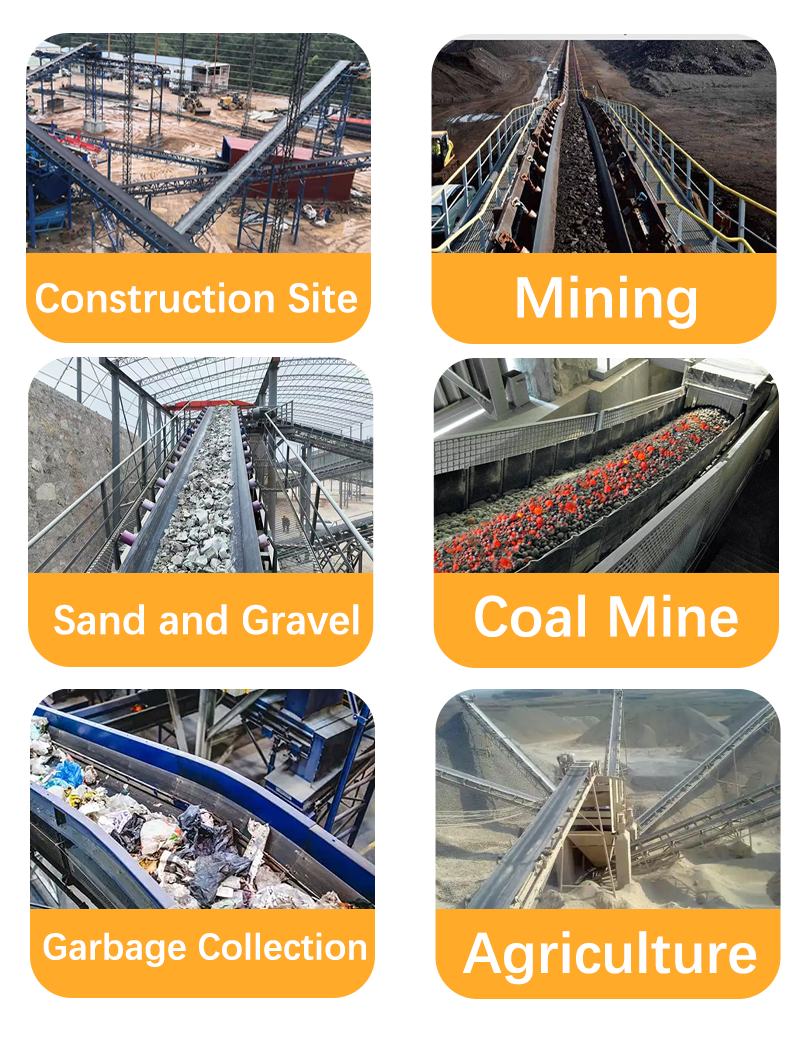
Application Fields

Chevron conveyor belts are particularly suitable for applications requiring inclined conveying of bulk materials and are widely used in the following industries and fields:

  • Ports and Terminals:

    Bulk cargo loading and unloading at ships and docks, such as coal, ore, and grain.

  • Mining Industry:

    Ore and coal hoisting in open-pit and underground mines, material conveying in concentrators.

  • Power Industry:

    Coal conveying systems in power plants, especially in situations with limited space where steep angle conveying of coal is required.

  • Metallurgical Industry:

    Material conveying of coke, mineral powder, sintered ore, etc. in steel plants and coking plants, blast furnace charging systems.

  • Building Materials Industry:

    Cement raw material and clinker conveying in cement plants, material conveying in lime plants and gypsum plants.

  • Grain Industry:

    Grain warehousing and out-of-warehousing in grain depots and stations, raw material conveying in feed mills.

  • Chemical Industry:

    Raw material and finished product conveying of fertilizers in fertilizer plants, inclined conveying of chemical raw materials.

  • Foundry Industry:

    Material conveying of molding sand, castings, etc. in foundry workshops.

  • Waste Disposal:

    Waste conveying in waste incineration plants and landfills.

  • Agriculture:

    Grain and feed loading and unloading on farms, fertilizer conveying.
    rubber conveyor belt


    Technical Parameters (Example)

    ModelBandwidth (mm)Pattern ShapePattern Height (mm)Carcass MaterialCover MaterialTensile Strength (N/mm)Applicable Inclination Angle (° )Main Uses
    Chevron 80300-1600Chevron5, 10, 15, 20TC/NN/EPWear-resistant Rubber100-400≤30
    Conveying bulk materials with smaller particle sizes
    Chevron 100400-2000Chevron10, 15, 20, 25TC/NN/EPWear-resistant Rubber100-400≤35
    Conveying bulk materials with medium particle sizes
    Chevron 125500-2400Chevron15, 20, 25, 30NN/EPWear-resistant Rubber200-630≤40
    Conveying bulk materials with larger particle sizes
    V-Shape 80300-1600V-shape5,10,15TC/NN/EPWear-resistant Rubber100-400≤25
    Conveying small particles and materials prone to rolling
    U-Shape 100400-2000U-shape10, 15, 20TC/NN/EPWear-resistant Rubber100-400≤30
    Conveying lumpy materials
    Cleated 50300-1200Cleated5,10TC/NNWear-resistant Rubber100-200≤15
    Horizontal or small inclination angle conveying, preventing material rollback

    These parameters are for reference only. For specific technical parameters, please consult our engineers.


Key Points for Selecting Chevron Conveyor Belts

When selecting chevron conveyor belts, the following factors need to be comprehensively considered:

  • Material to be Conveyed:

    The characteristics of the material, such as type, particle size, shape, humidity, viscosity, and temperature, determine the selection of pattern shape, pattern height, and cover rubber.

  • Conveying Inclination Angle:

    The conveying inclination angle is the most important factor in selecting chevron conveyor belts. The larger the inclination angle, the higher the required pattern height and the better the anti-slip performance.

  • Conveying Capacity:

    The conveying capacity determines the bandwidth and belt speed of the conveyor belt, and also affects the selection of the carcass material.

  • Conveying Distance:

    The conveying distance affects the tensile strength and carcass material selection of the conveyor belt.

  • Operating Environment:

    The temperature, humidity, corrosiveness, oil contamination, and flame retardancy requirements of the operating environment determine the performance selection of the cover rubber.


    Reasons to Choose Us

  • Professional Customization:

    We offer diverse pattern designs and customized services. We can tailor the most suitable chevron conveyor belts to your specific working conditions and material characteristics.

  • Precise Patterns:

    We utilize advanced mold processing technology and vulcanization processes to ensure that the pattern shapes are uniform, dimensions are precise, and arrangements are even, resulting in excellent anti-slip performance.

  • Excellent Quality:

    We select high-quality rubber raw materials and high-strength carcass materials, and strictly control the production process to ensure stable and reliable product quality and long service life.

  • Technical Support:

    We have a professional technical team to provide you with comprehensive technical consultation and selection guidance, solving various problems you may encounter in the application of chevron conveyor belts.

  • Rapid Response:

    We have a sound production management system and inventory management, ensuring short delivery cycles and fast response speeds to meet your urgent needs.

  • After-sales Guarantee:

    We provide comprehensive after-sales service to promptly resolve any problems you encounter during use, allowing you to purchase with peace of mind.

    Chevron Conveyor Belt

Get the latest price? We will reply as soon as possible (within 12 hours)